



Sipping tips: When you pick these up, I implore you to chew your food before swallowing. Most spirits taste harsh if you down them immediately (shots): you’re blasting your palette and taste buds with high-proof alcohol. Take a small swig, let the liquid sit in your mouth, and hug every crevice for 4-5 seconds (open the taste buds). Down it. You’ll pick up all the flavors and truly know what the beverage tastes like. Once you do that 1-2 times, your palette is ready. Drink away. And to my NY’ers, I am sorry for all that wild language.
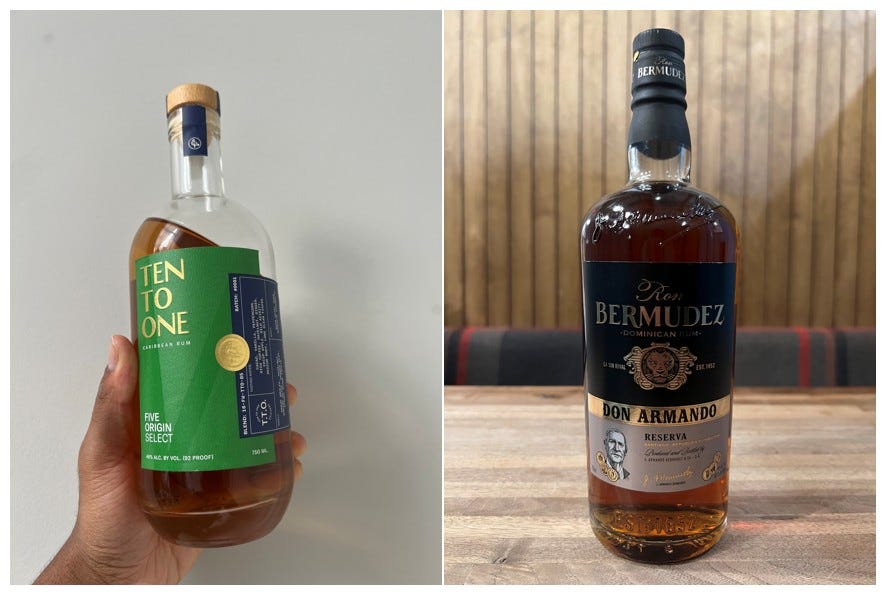
This piece will be slightly different because you’ll get a two-for-one: Ten to One (I did that on purpose) and Ron Bermúdez. We will move quickly through the 2-for-1s, but I’ll still give you enough to fill your cup.
First up, Ten to One (TTO) x Five Origin Select.
The company + some history.
Any good brand understands that people buy your story. The thing that makes your brand unique. Your “who” and “why,” for simplicity. This is particularly the case in a world of substitute abundance and short attention spans. If you have a good product to follow up your good story, then you’ve entered the optimal zone, a brand marketer’s deepest hope and desire. The founder of TTO, Marc Farrell, made an astute decision to incorporate these effective storytelling practices into what he intended TTO to represent overall.
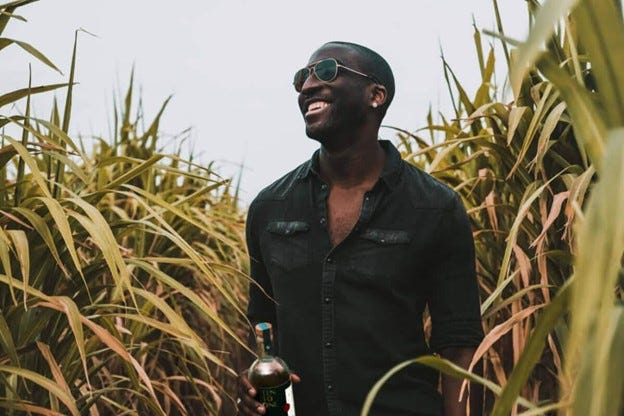
Ten To One takes its name from a phrase by Dr. Eric Williams, Trinidad and Tobago’s legendary first Prime Minister. When rallying to preserve the first Caribbean federation of 10 countries, he famously said, “One from ten leaves zero”, reflecting the idea that we are stronger together than we are apart. The name also speaks to overcoming great odds and the “beauty in the blend.” – Ten to One
“One from ten leaves zero” is so incredibly Caribbean in tongue. The phrase rings poetic and homely to my sensibilities. This choice of mantra and brand representation, inspired by Dr. Williams, is not accidental, as Marc was born and raised in Trinidad. Let’s take a slight detour, staying on Dr. Williams for a second. Here’s a double pour: book recommendation and rum.
It pains me to say this, but I will probably not get around to writing a review on Dr. William’s dissertation-turned-book, Capitalism and Slavery.

The book’s focus is on slave commerce during the pre-Industrial Revolution period (Britain, not America), the direct impact of that commerce on the Industrial Revolution (again, Britain), and the wealth it generated for the British up to the point of his writing around 1944. More succinctly –
It is not a study of the institution of slavery but of the contribution of slavery to the development of British capitalism.
Some of the wealthiest families/institutions, Dr. Williams argues, got their start in the slave commerce business –
The Heywood Bank was founded in Liverpool in 1773 and endured as a private bank until 1883, when it was purchased by the Bank of Liverpool. Its founders were successful merchants later elected to the Chamber of Commerce. “They had their experience,” the historian writes, “of the African trade,” besides privateering…For London only one name need be mentioned, when that name is Barclay. Two members of this Quaker family, David and Alexander, were engaged in the slave trade in 1756. David began his career in American and West Indian commerce and became one of the most influential merchants of his day.
Yes, that Barclay(s). They tell it a little differently on their site –
Later, David Barclay found himself the owner of a slave plantation in Jamaica in settlement of a debt. His decision to free the slaves and transport them to Philadelphia cost him £3,000.
“found himself the owner of a slave plantation in Jamaica in settlement of a debt” = they were the credit providers, most likely, for the plantation operations, the plantation was in default, and the slaves/operations were collateral. One can put two and two together.
Williams also covers rum a decent bit in the book, which makes for heady dot-connecting on the history of the beverage (at least between England and the Americas). Here’s a taste, and then we’ll get back to TTO –
In 1765 two distilleries were established at Liverpool for the express purpose of supplying ships bound for Africa.
When I say “dot-connecting,” I mean the quote above and thinking about companies like Main Rum out of Liverpool. Main Rum was started in the 1980s, to be clear, but there is a legacy history, a foundation built long before Main Rum, that likely allows Main Rum to engage their operations in a historically accurate way, vs. pulling something out of thin air.
…it was the capital made in the African slave trade that built some of our docks. It was the price of human flesh and blood that gave us a start. – Liverpool writer
Finally, Dr. Williams was highly adept at analyzing the links between geopolitics, economics, social trends, and “Mother” (“Home”) country jockeying to help us understand the minutiae of rum and those invested in its success.
The West Indian planters argued that the rum they produced was equal to one-fourth of the value of all their other products. To prohibit the sale of rum would “therefore be to ruin them, and drive the people to foreign substitutes. The planters expressed the hope that the suppression of the evils occasioned by the excessive use of spirituous liquors would not entail the destruction of the sugar trade. As they saw it, the question was not whether people should drink, but what they should drink. Gin, argued an anonymous writer, was “vastly more destructive to the human frame” than rum. “Gin is a spirit too fiery, acrid, and inflameing for inward use—but Rum is a spirit so mild, balsamic and benign, that if its properly used and attempered it may be made highly useful, both for the relief and regalement of human nature.” This was a strange description of the spirit which the Barbadians more appropriately nicknamed “Kill-Devill.”
The above is why, when I first ran into TTO’s story, the reader/history appreciator in me got a bit giddy. All that aside, Farrel chose this route to firmly represent his T&T home team, which I’m not mad at either.
Practically speaking, all of that information above is too much for the average drinker to digest, and they likely won’t ever. That’s for the indulgent among us. So (I’m getting back to TTO now), the brand also leans forward with more ‘re-think what rum is, and enjoy’ messaging. From the “Our Story” section of the site –
“NOT YOUR SPRING BREAK RUM”
At Ten To One, we’ve endeavored to build a brand that is “elevated but not exclusive,” grounded in authentic elements of Caribbean culture and heritage, with a narrative that is both compelling and contemporary.
The liquid.
Ten To One Five Origin Select is an exceptional blend of rums aged up to 15 Years, highlighted by the inclusion of a truly remarkable, 11- 15 year old Guyanese rum distilled on the famed Port Mourant Double Wooden Pot Still - the only one of its kind still in operation. Brought together masterfully alongside signature rums from Trinidad, Barbados, Dominican Republic, and Jamaica, and bottled at 92 proof, this expression produces a bold and memorable sipping experience. – Five Origin Select (product page)
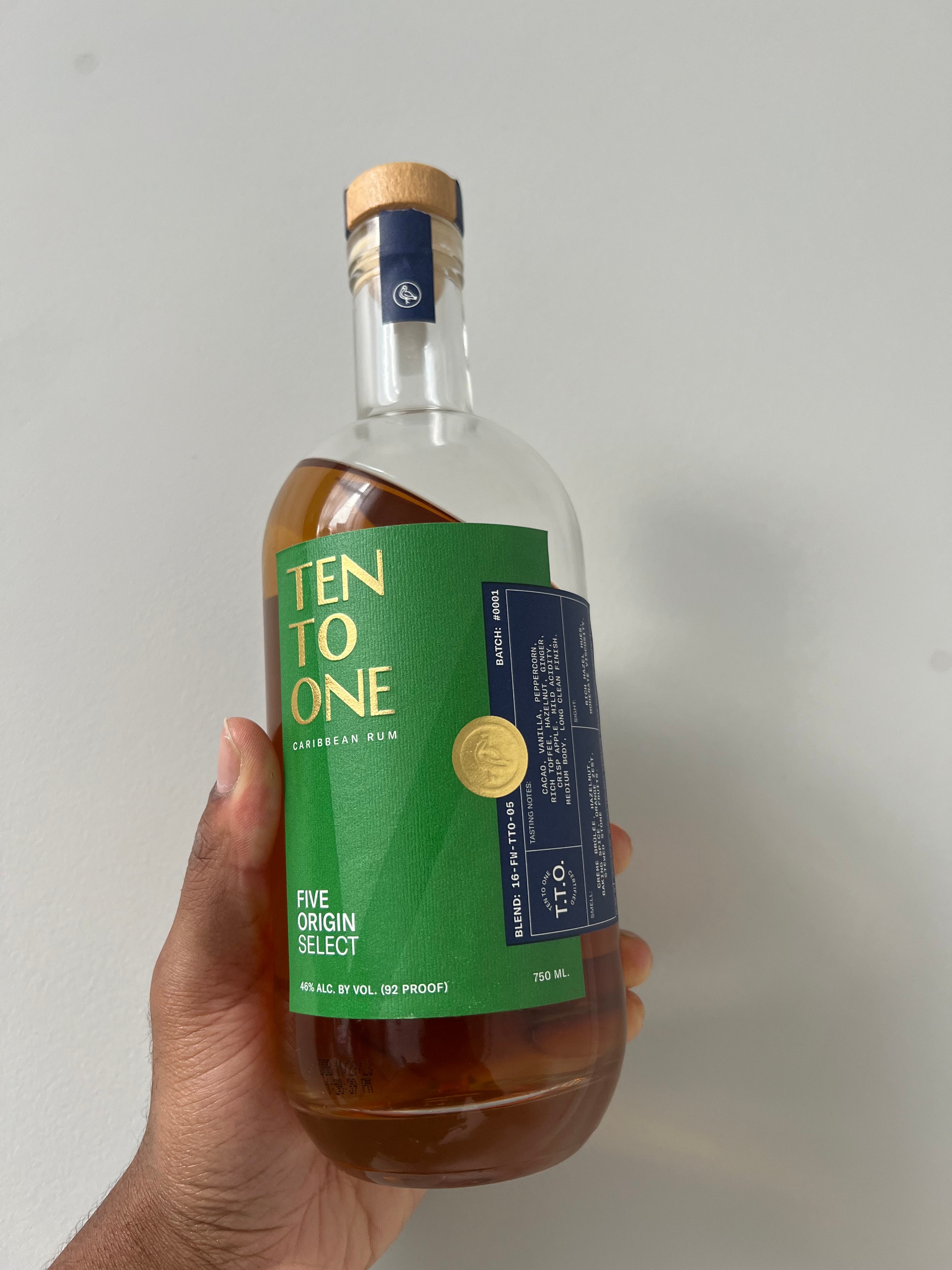
Trini, Bajan, Dominican, Guyanese, and Jamaican rums?! Farrell was looking at the rums like, “she and she and she” –
Alright, seriously – what do we have on our hands?
Easy gold on the sight, looks lovely in a glass. The best description I have for what the liquid smells like is akin to bun with fruit and cherries (more fruits than the bun).
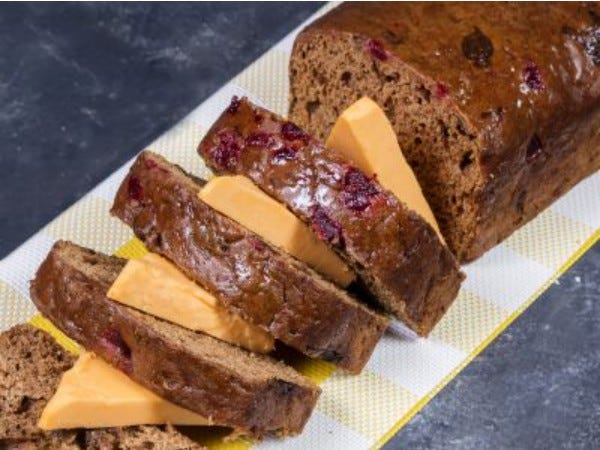
You just know from the smell, somehow, that this is a blended rum. The Barbados, Guyana, and/or D.R. sweetness rises to the front.
When you first taste it, there’s no silk (or oily mouthfeel, as is commonly said), which is what someone expects from a rum that has the Guyanese 11 – 15 year old component. But the blend is balanced by the other rums/countries. Whatever you are expecting to taste, get it out of your head. This rum feels like a little bit of everyone coming together to make, just a nice overall sipping rum. Like a perfect little West Indies cricket side (the Dominicans brought a baseball bat, but it’s fine). Or a nice melodic banging around of accents in a rum bar.
→ Jamaica and Trinidad arguing over who parties harder.
→ Guyana in the back reminding them who is responsible for the party.
→ Barbados not bothering with the arguments because they prefer to live in peace.
→ The Dominicans controlling the volume of the music, so no one can really hear anyone speaking. Because my Dominicans (in NYC at least) know one volume, and it’s called ‘destroy your ears for the neighborhood to hear this’ level.
Party scene aside, there’s character to this rum. No other way to say it. Five Origin Select is a pleasant, blended, sipping rum. Won’t overbear. Won’t underwhelm. Just strong enough to be enjoyed by most. Variety in character across tastes because of the multi-country component. The taste finishes overwhelmingly Jamaican, which makes it…perfect =)

Job well done on the liquid. Cheers.
Next up to bat, Ron Bermúdez x Don Armando Reserva.
That “up to bat” was me teeing up my Dominicans and baseball jokes, but I’ll go easy on my Washington Heights crew this time around. Much love.
The company + some history.
The full history of the brand and family is outlined in the “History” section of their site. I would like to highlight one of the bolder claims –
The history of the first Dominican rum began to be written in 1852, in Santiago de los Caballeros, during the dawn of the struggle for independence, by the hand of a Venezuelan immigrant and pharmacist, Don Erasmo Bermudez, who created a drink known as “Amargo Panacea” (Panacea Bitter).
“Amargo Panacea” had considerable alcohol content for medicinal uses; therefore, in a short time it began to be taken as an aperitif before meals, leading to the development of the art of creating a care for rum, and the establishment of the oldest rum factory in the country and in Latin America: “La Sin Rival”.
I am not well-versed in the history of Dominican rum. But it is, in my opinion, highly unlikely that they are the first D.R. rum brand. It’s difficult for anyone to claim first place in the history of distilled spirits, unless there is hard, hard evidence. There had to have been rudimentary producers of cane spirit/rum preceding them, though maybe not “officially” recognized. I mean, that may have especially been the case under Spanish rule (i.e., punishment for producing spirituous beverages that interfere with “Mother” country liquids). Not sure of the implications under Haitian rule. Getting too in the weeds. Point is: if they are claiming the title, in the way that people credit Elijah Craig as the “Father of Bourbon,” then I can understand the “official” stance.
Folklore is good for ease of digestibility and marketing. It is painful for anyone (read: me) who looks for deep, historical understanding. But we have what we have.
Don’t have a desire to go any deeper into the history/product line because I’m not that big a fan of the juice, unfortunately. Let’s discuss.
The liquid.
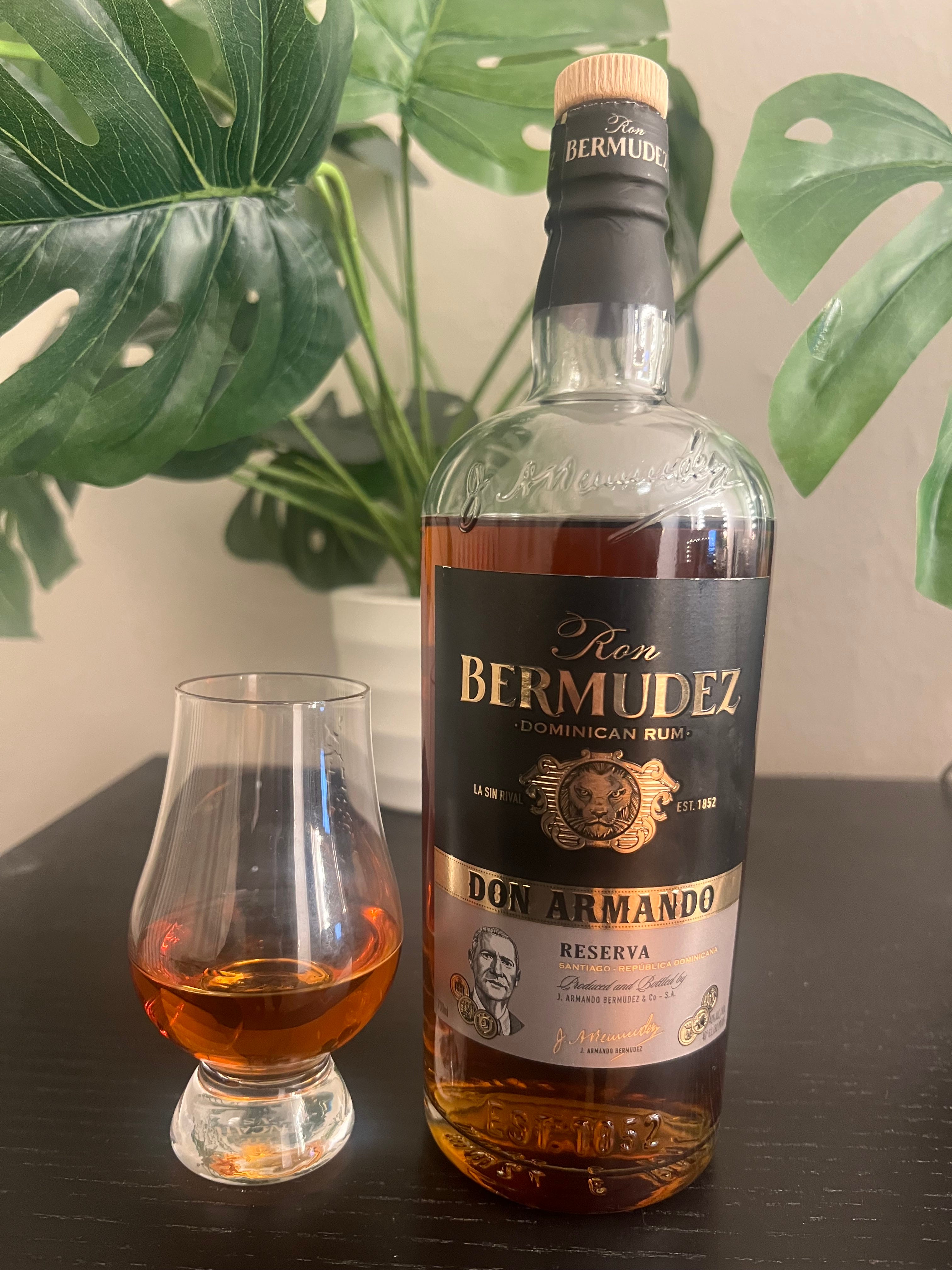
Not in a Beenleigh, watermelon jolly rancher, what-the-hell-is-this-good-stuff-I-can’t-place sort of way. In a ‘I don’t like it’ sort of way. A little too sweet and uninteresting for me. Fades fast, too, and that’s a bad combo. I may give this to a wine drinker who fights drinking distilled spirits any chance they get. Or someone who likes “vanilla bomb” (only) spirits. I recognize my biases and know that Dominican-styled rums are generally not for me/don’t have the taste profiles that I prefer. Challenge. Longer finishes. Linger. Tingle. Character. The company, I’m guessing, accomplished their taste goal, and for that I must applaud them. But after many attempts at this juice, it just never resonated with me. I am open to trying their other products, but I won’t run to them.
I think I saw this in some markets at the EU-accepted level of rum (37.5%). Frankly, there is absolutely no way I would touch this at an even lower ABV than the 40% I had. Taste is subjective, I’m piling mine on. You must, ALWAYS, decide for yourself. With that said, here is what the company says about their juice –
A rum of excellent quality that has been chosen as a symbol of tradition. It has a bright moderate amber color acquired by the aging process of up 10 years in oak barrels. After aging, it is mixed and homogenized to let the flavors and aromas enrich and soften until the perfect balance is achieved. When tasting, aromas of caramel, cane juice and citrus are initially revealed. Finally, they evolve into smoky and soft notes of oak and coffee. When initially taken it, we find a full-bodied flavor that reminds us of its aroma and leaves us with an intermediate flavor that remains in the mouth, very pleasant on the palate. – Don Armando Reserva (product page)
Hard, but fair, feedback (I hope).
Till next time.
Two completely different rums. Two different stories. One new. One old.
Still a journey through the vast land of rum. That’s all, folks.
Cheers and #rumresponsibly
