


Sipping tips: When you pick these up, I implore you to chew your food before swallowing. Most spirits taste harsh if you down them immediately (shots): you’re blasting your taste buds with high-proof alcohol. Take a small swig, let the liquid sit in your mouth, and hug every crevice for 4-5 seconds (open the taste buds). Down it. You’ll pick up all the flavors and truly know what the beverage tastes like. Once you do that 1-2 times, your palate is ready. Drink away. And to my NY’ers, I am sorry for all that wild language.
The last rotation was March 2026: Hampden’s Maverick, Papalin’s Réunion (10 year), Transcontinental Rum Line’s Jamaica WP 2012 (5 year), and Clairin (Kléren) Sajous (35 months). April’s will be slightly different, as I’ll be weaving in more personal touches with respect to the countries covered. It’s vital to remember that drinks start from someone’s soil — sometimes in a far-off place — before it gets to your glass. That should never be taken for granted.
Friendly reminder: Interlude #6 is done! New post goes live on May 1st. We get back on the Louisiana train. To be clear, Rotations will live on, so you’ll get another one of these in May.
What’s in the glass this month? Here is my excuse to kick us off with music in the form of symbolism.

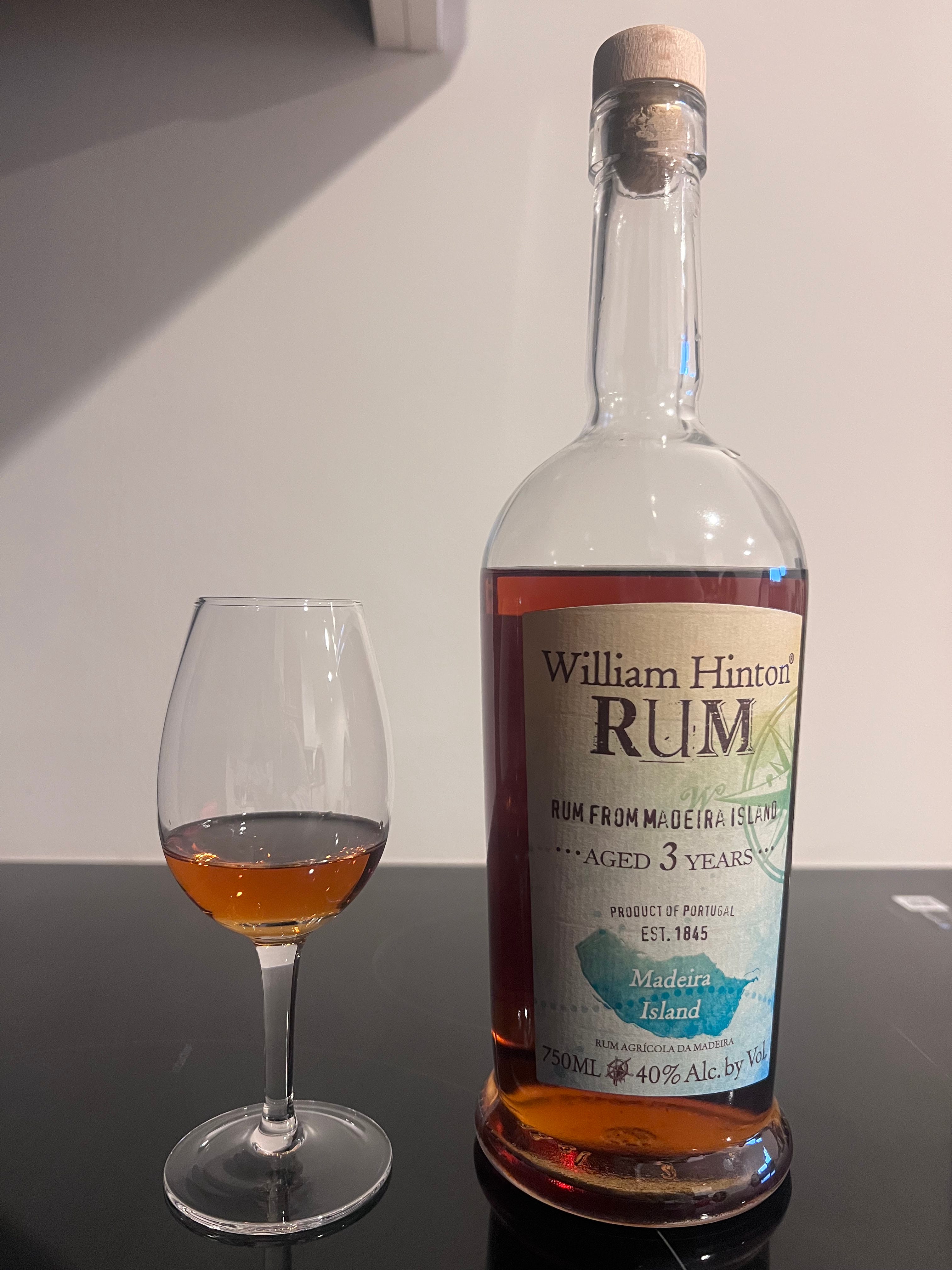
William Hinton x 3 Year.
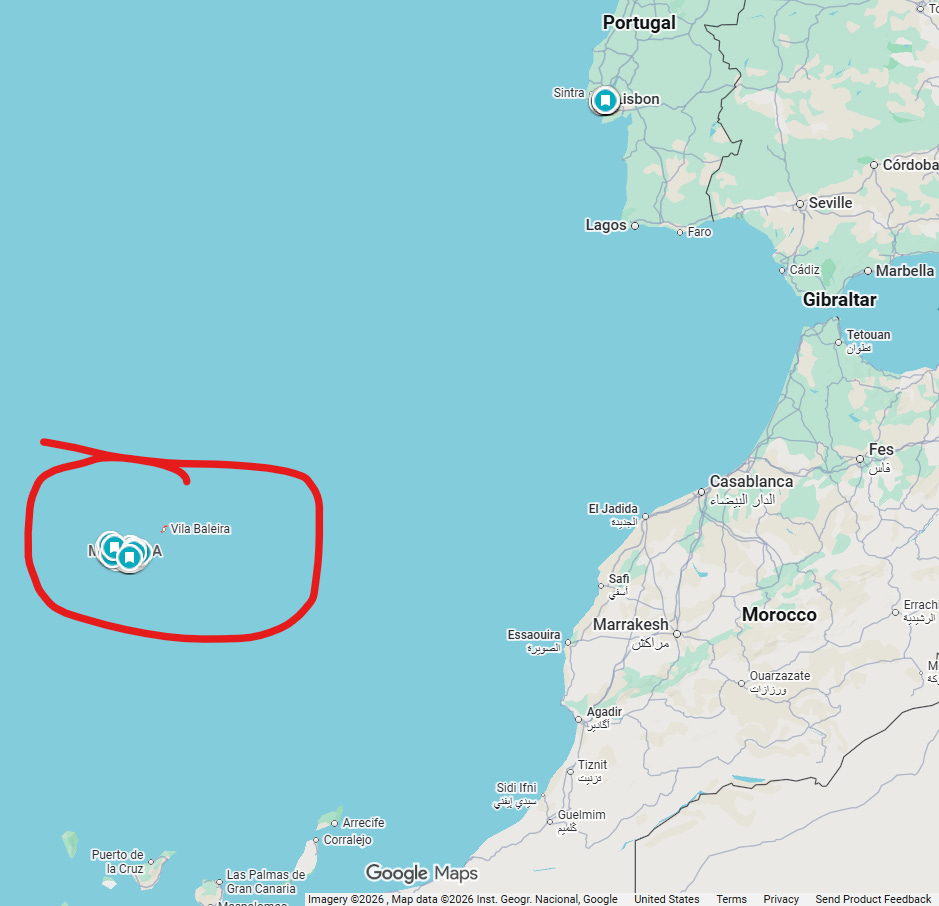
For the folks wondering where Madeira Island is located:
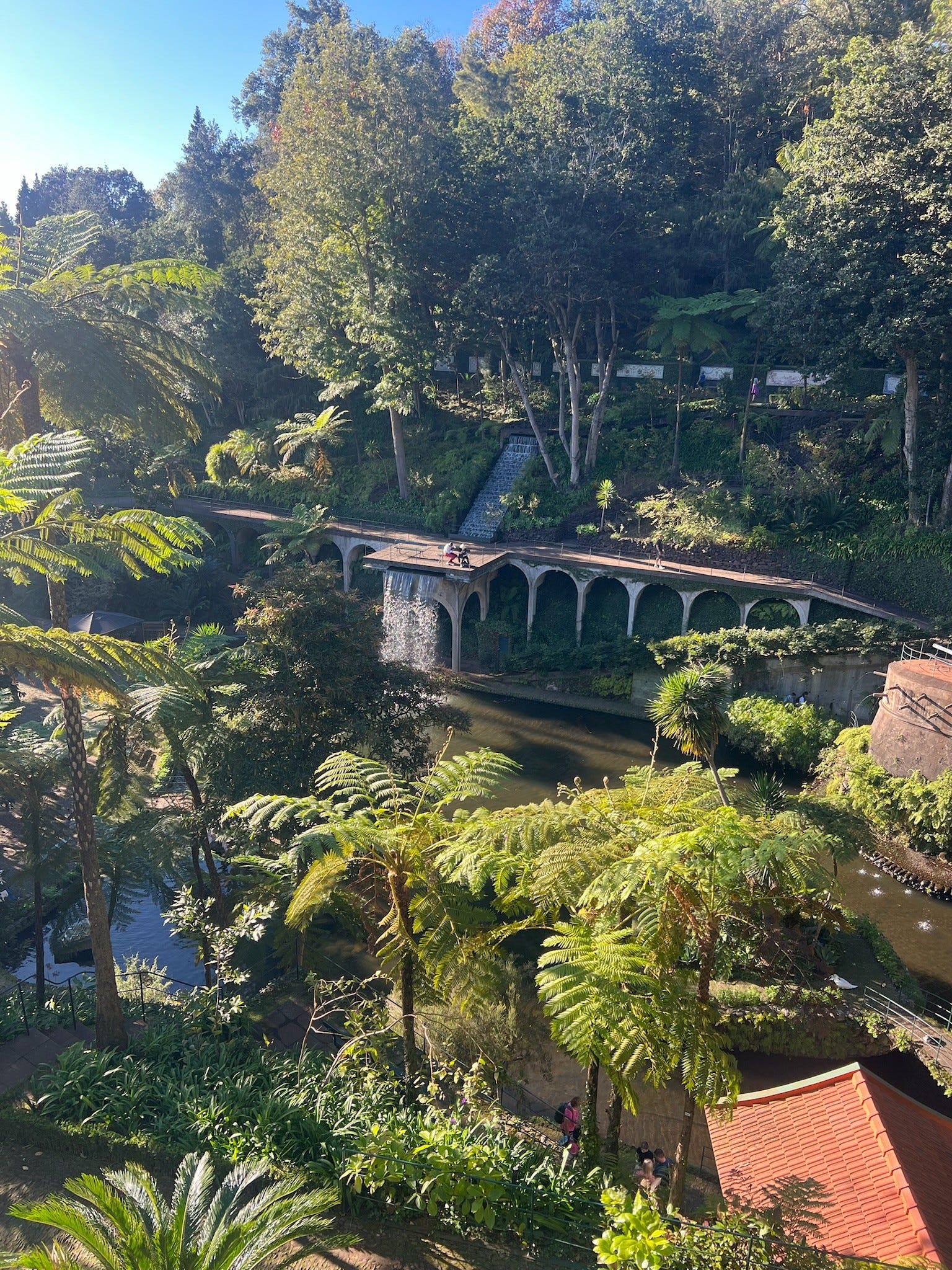
I went. It’s beautiful. And all “the blue stuff” are my personal location pins for places either visited or on the list for next time I’m there. Easily one of the more breathtaking countries I’ve been to, so I highly recommend taking a trip. You’re more familiar with this place than you think: it’s where Cristiano Ronaldo hails from. They’ve even named the airport after him. And if that reference didn’t help…then just take in the beauty:
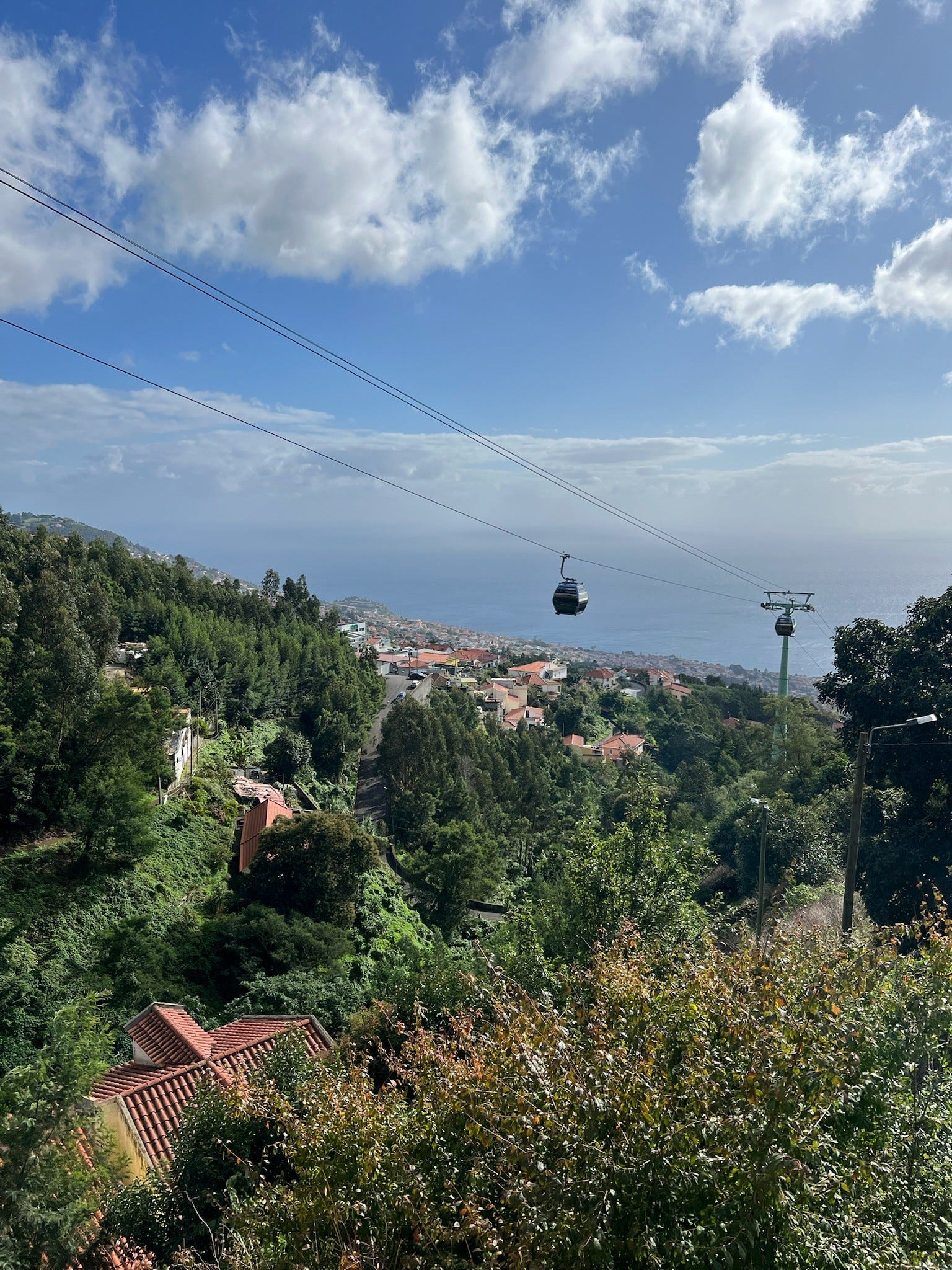
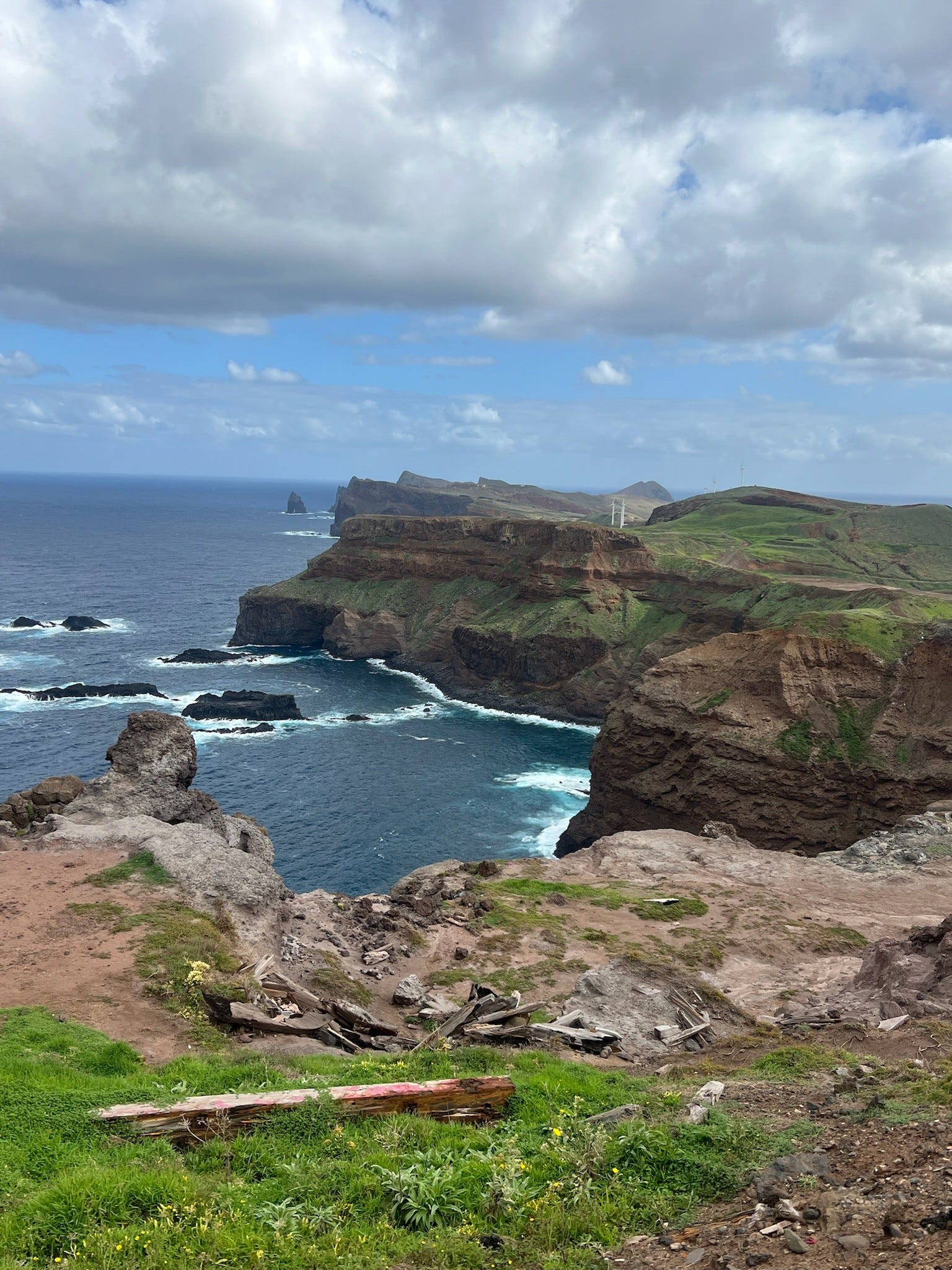
While I am very tempted to talk history, I’ll restrain myself. The Portuguese discovered Madeira in the early 1400s, and sugarcane was introduced to the island before they went on to colonize (and introduce sugarcane) to São Tomé and Príncipe + Cabo (Cape) Verde. So, before sugarcane ever touched Brazil, and then later the Caribbean, Madeira, São Tomé, and Cabo Verde had sugarcane. If you’re wondering why this Madeiran rum carries an English name, then you will enjoy the rabbit hole that is English-Portuguese history (e.g., Taylor Port is another example of this legacy).

Alright, the liquid.
From the aroma, I am pleasantly reminded that I don’t know anything about anything. Because I was 100% sure that this rum was aged in ex-Madeira wine casks for 3 years. Although I indulged a good share of Madeira wines while on the island, I must admit: I still think Port is the holy grail fortified wine. Back to the point. The William Hinton 3 year has a tire shop, gasoline-like aroma (not in a bad way) that is very reminiscent of notes I got in Madeira wines. The rum smells of that damp/wet fortified wine kick. But I’ve come to learn that the 3 year was aged in ex-French oak casks.
The 3 year is a bit alluring: when you smell it from afar, you get one read (gasoline, tire shop). But when you place your nose closer to the glass, I suppose the layers open up, and you get a more caramel aroma. There are chemistry/biology terms to describe what I just said, so please up my vocabulary if your lightbulb just went off.
As for the main event — taste — it’s easy at 40% ABV. I’m reminded how shareable this is (for the uninitiated) because my good friend’s fiancée enjoyed the 3 year most of the 7 or so expressions we tried. Everything from the nose comes through in the taste, but it rounds out with a nutty, dry character that complements. While mellow, I’d say this William Hinton drinks more flavorfully than a good chunk of 40% ABV rums.
The 3 year is an easy one to share and sip. I recommend. Because of distance and distribution, you won’t ordinarily find Madeiran rums floating about. So if you see it in the wild, grab it!
Where to next?
Down Island Spirits × Ghana 2020 (4 Year).
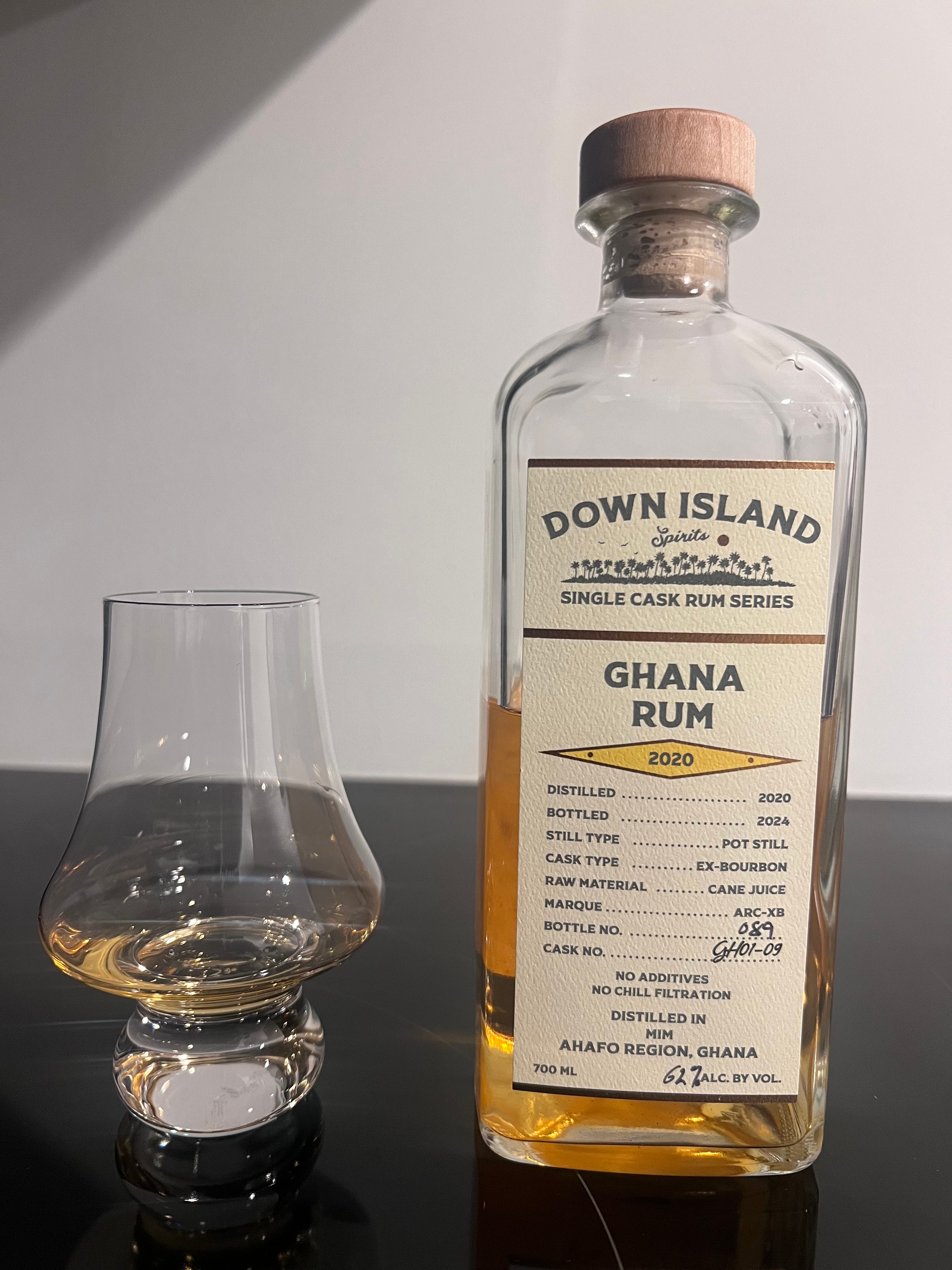
Note: Down Island Spirits is an Independent Bottler (IB). IBs purchase rum, most often from bulk rum suppliers and/or rum brokers, and then bottle the liquid under their personal brand & label. Most often, IBs tend to be very picky-choosy, with the goal of — in this case — spreading the rum gospel via the unique or unexpected. A rum from Ghana hits the nail on the head.
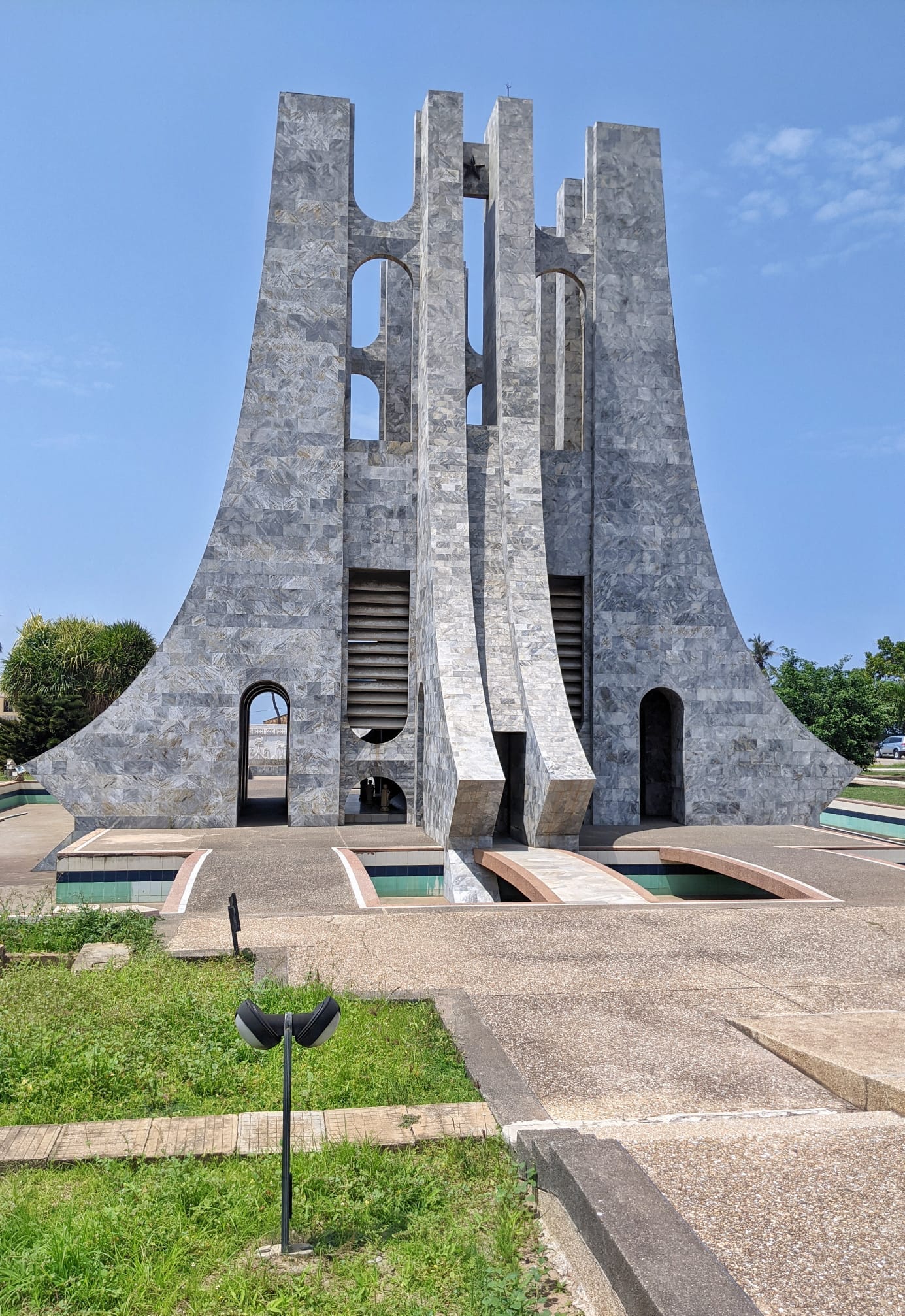
Long before I ever set foot in Ghana for the first time, I’d been intimately familiar with the people and their culture via my Yankee Stadium and Tracey Towers massive (Bronx, NY). If we’re being historical — which I know I promised to relax a bit with this piece — the familiarity has always felt tangible, given the Akan/Coromantee heritage underpinning many Jamaicans.
I am notoriously bad at taking pictures. When in the moment, especially if I am enjoying myself, my brain rarely goes ‘capture this!’ I’ve had to start setting phone reminders to take flics. So, both times I went to Ghana (2017 and 2021), I walked away with skimpy photo albums, but a treasure chest of memories to mentally recall from time to time. To not leave you wanting, I’ll provide you with a little something:

Alright, the liquid.
Remember that golden profile I mentioned in the March 2026 Rum Rotation? This GH distillate sings of that characteristic. There’s a singularity about this rum’s aroma, which I find to be really attractive. What I mean is that Ghana 2020 does not take you to a proverbial four-way intersection and force you to guess what’s going on. Everything is upfront and in your face.
With that — and this is all good, just to reinforce — it smells as if a grape was dipped in vinegar. More prominently, there’s a lemon-lime / lemon head candy note that shines. The 62% ABV feels like it focuses the drink’s qualities; again, right in the center, no confusion.
On first taste, I appreciate that the beverage reminds me that, unless you work directly with sugarcane and/or distillation equipment, you will never fully understand how the combination of inputs produces certain outputs. In other words, I was not expecting this batch-distilled cane juice rum to taste the way it does. There’s no grassy-ness roaring at you. Almost feels closer to a Jamaican rum’s cousin in taste, strength, and depth/body.
That lemon-lime/lemon head candy + vinegar comes through on subsequent sips. There’s a soapy aftertaste that lingers (not in a bad way) that reminds you that a small pour of this goes a very long way. All in all, fantastic rum. But it will shock a beginner’s palate (so be careful). Said differently, do not laugh when drinking this, or you’ll be coughing because the liquid is doing a springboard dive down the wrong pipe.
When most people think of Ghana, I assume that Accra and Kumasi come to mind. However, the Ghana 2020 liquid was distilled & produced in the Ahafo Region of Western Ghana by Mim Cashew & Agricultural Products Ltd.
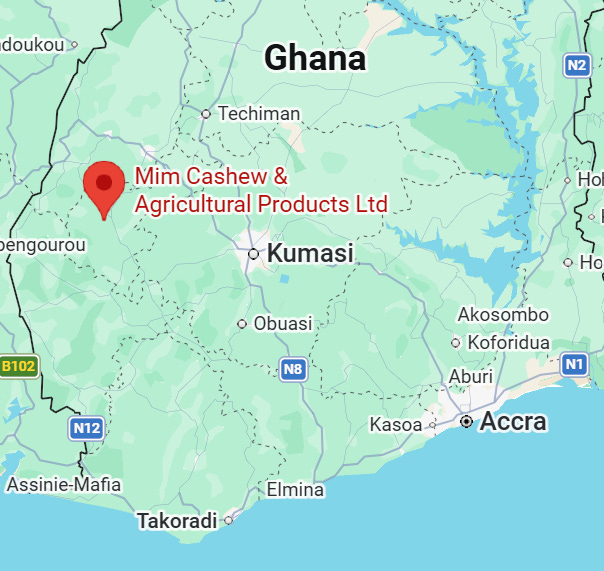
The provenance takes a slight hit because it was sent to the Netherlands to age in ex-Bourbon barrels for 3+ years (note: I rounded this to 4).
Where do we end? Only place to end:
Worthy Park × 12 Year.
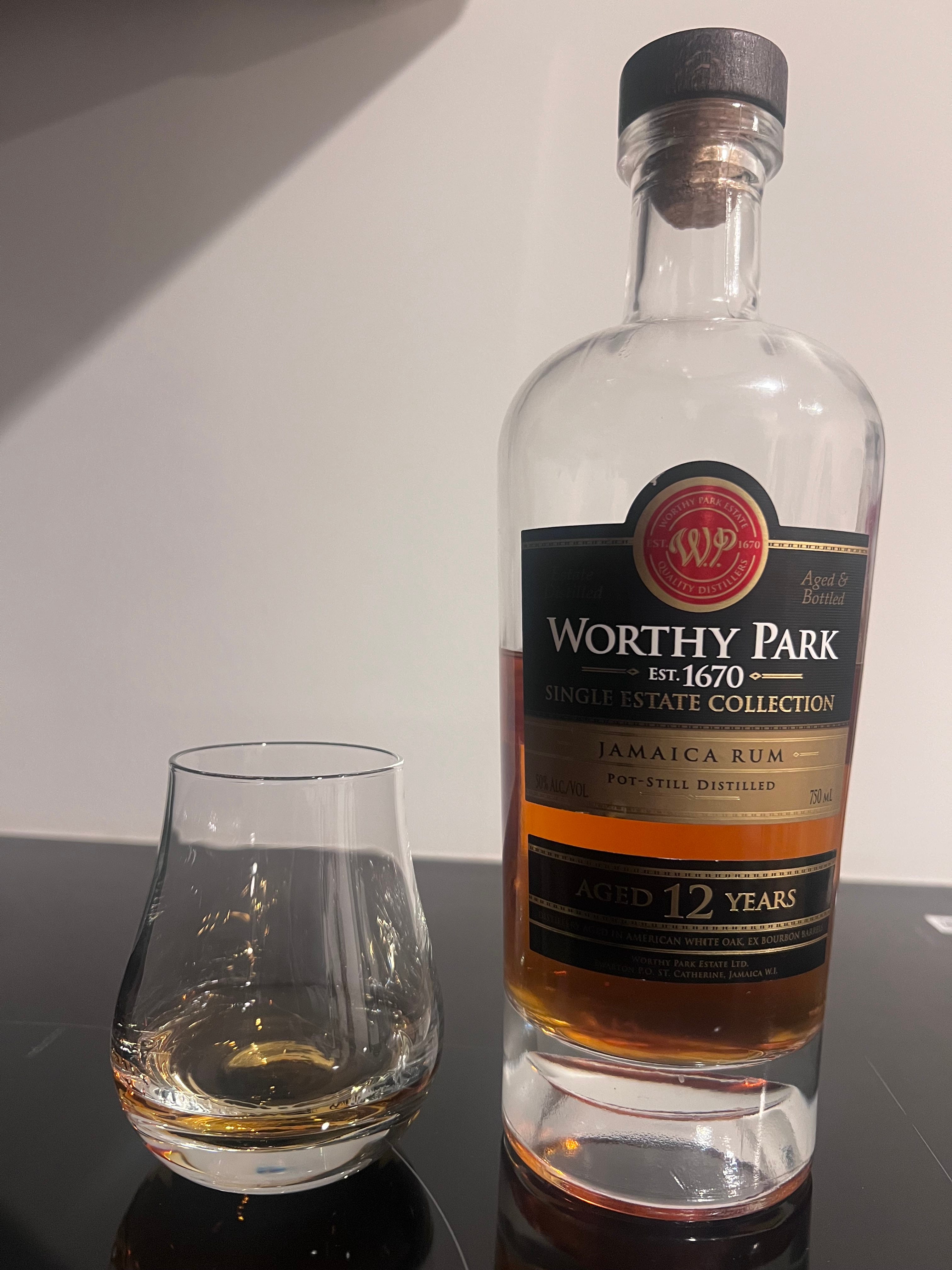
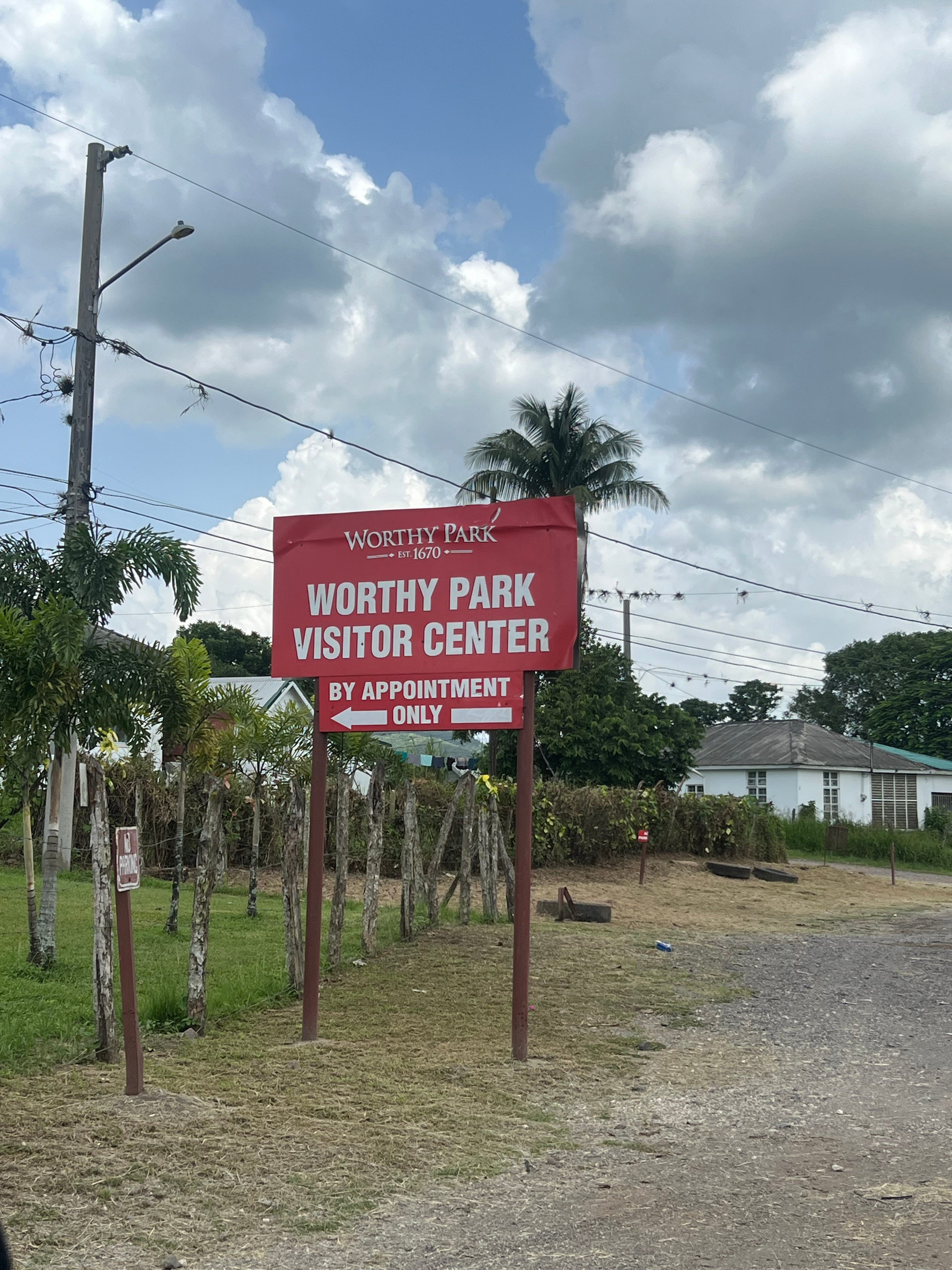
Remember last month when I said that WP does not produce bad rum? Still true. The 12 year holds symbolic value for me because 1) I retrieved it directly from the distillery, and 2) it is among a handful of rums I brought back after leaving Jamaica last year (note: was living on the island from October 2023 — July 2025). Extra special when I share pours of this with my people!
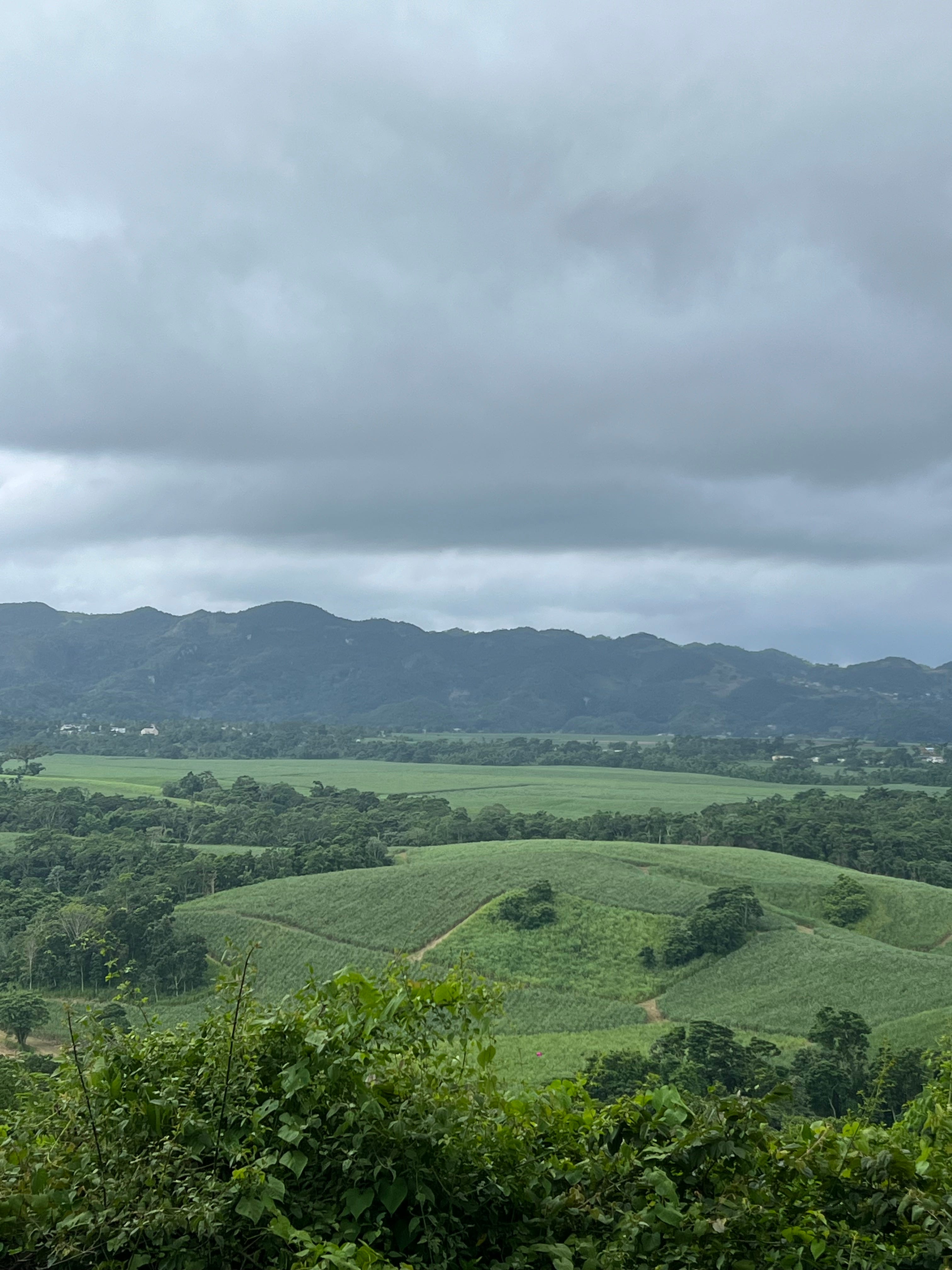
Here are two photos from my time over in St. Catherine:
Alright, the liquid.
That dusty molasses aroma I love, wrapped up in a fruit-forwardness so characteristic of heavy Jamaican rum profiles. The fruit in question is overripe banana. All remains consistent as the notes flow through to the taste buds, though it is rounded out/edged up with the ex-Bourbon barrel’s 12-year impact (i.e., notes of vanilla on the top).
No long talking, just a beautiful rum. For my new-to-this folks, it will feel weighty and bold, off-putting if you’re not used to Jamaican rums; it almost tastes like a pen dipped in ink (keep rolling, that was a weird example). Look, I like to think Jamaican rums are representative of the culture: a beauty wrapped up in some heavy realities. But once you get used to things, you realize why JA is a shining star. Also, if I may, Jamaican rum does not try to trick you into believing that you are drinking something other than bold rum. Your rum should not taste like juice. It’s alcohol!
But I’m biased in a heavy-handed way. No if, ands, or buts about it.
Point is: WP 12 year is a winner.
You may hear a true rum evangelist say that rum is the most multifarious spirit in the world. There are two ways to interpret this:
(most common) A rum produced in one country will rarely ever taste like a rum produced in another country, and rums are produced in so many more countries when compared to other spirits!
Another way to look at this is from ground zero: more places in the world have a history with sugarcane cultivation, and therefore have a deep history of sugarcane spirits (rum) production.
Tomato-tomahto?
In any case, I hope #1 and #2 feel even more true after our journey through Madeira → Ghana → Jamaica.
Cheers and #rumresponsibly

Madeira is by far my favorite part of Portugal and really took me by surprise. I went there for fortified wine but while doing research realized that they make rum too. Most of it is consumed on the island though it seems. We went to Engenho Novo and tried way more different expressions of William Hinton than I knew existed.. Mario just kept pulling more stuff out. Once I started rattling off some of my ideas he got excited and pulled a dram out of an Amphora. I thought it was interesting but my wife recoiled from the minerality.
We came home with a bottle of their Single Cast Madeira which I still like a lot.
I believe the Rum festival was just last week.