



Sipping tips: When you pick these up, I implore you to chew your food before swallowing. Most spirits taste harsh if you down them immediately (shots): you’re blasting your palette and taste buds with high-proof alcohol. Take a small swig, let the liquid sit in your mouth, and hug every crevice for 4-5 seconds (open the taste buds). Down it. You’ll pick up all the flavors and truly know what the beverage tastes like. Once you do that 1-2 times, your palette is ready. Drink away. And to my NY’ers, I am sorry for all that wild language.
First of many rum rotations. Why not, right?
Ten to One x Oloroso Sherry Cask Select
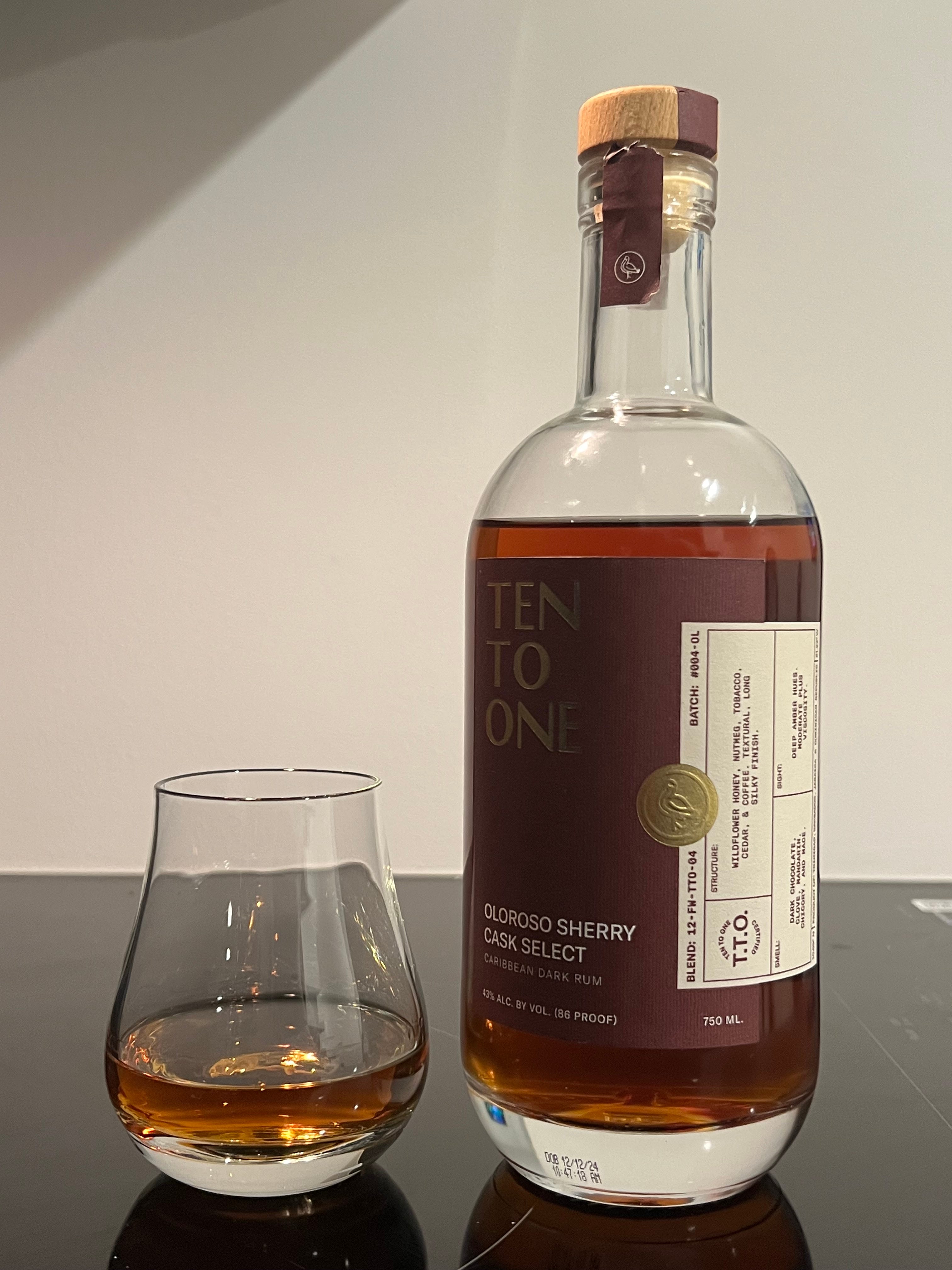
I’ve highlighted the company in a previous post (in decent length). As a result, I won’t go into much beyond the liquid this go round.
So, TTO has a Dark Rum, which is a blend of —
8-year-old Bajan (column still)
Dominican (column still)
Trinidadian (column still)
and Jamaican (pot still)
Never had the Dark Rum, only the Five Origin Select (the fifth island in the blend is Guyana). They’ve taken the Dark and finished it in Oloroso Sherry (Spanish fortified wine) casks for 8 months. The Oloroso Sherry Cask Select was previously a Costco-only allocated rum, but it now has wider distribution. Funny enough, the day I cracked this bottle open was the same day I tried a small swig of Sherry for the first time. I highly recommend tasting the base liquid—Sherry, in this case—to fully appreciate the marriage that occurs when rums are finished in other spirit/wine casks. Sherry is good. Port is still winning for me in the fortified wine category, though. What I can say is: I understand why people, across spirit categories, are fans of Sherry finished (or matured) juice.
There’s a richness to this Ten to One product from smell to taste. Even at 43% ABV, it packs depth: there’s a dark richness to the liquid all around. Baking spices and cinnamon balance the fortified wine finish. It gives me the feeling of oil on water; all the flavors float, and never really sink.
It’s incredibly structured. Doesn’t leave you wanting at any point in the drinking experience. Dark chocolate and some bitter cherries would pair incredibly well with this rum. It’s manageable given the ABV, though it will provide a fair surprise and challenge to the palate. Certainly so for the uninitiated.
This rum feels like taking molasses, drizzling some Sherry on it, and then enjoying the brown gooey stuff. Big rum hug to the chest, but it won’t kill you. All around, great job with this expression, Ten to One. I am still enjoying it.
Alambique Serrano x Cañada.
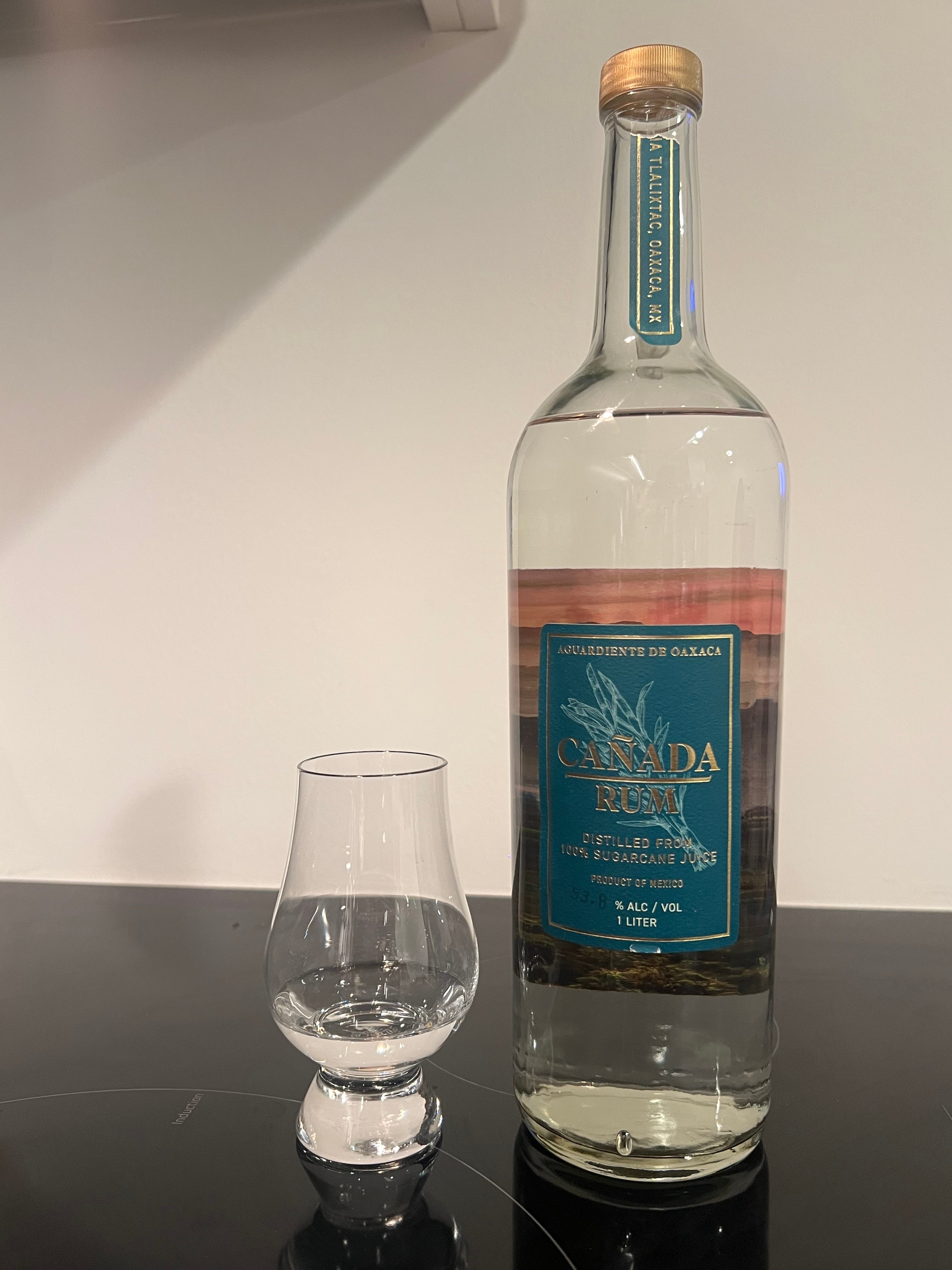
Aguardiente de Oaxaca. A traditional style of spirit production (sugarcane, in this case) that is unique to this part of Mexico, though you will find Aguardiente (in Portugal, aguardente) histories/beverages across Spanish-speaking countries. Before we jump into the liquid, what I absolutely love about this rum, the one thing that I usually place above others in judging the character of a spirit is: sense of place.
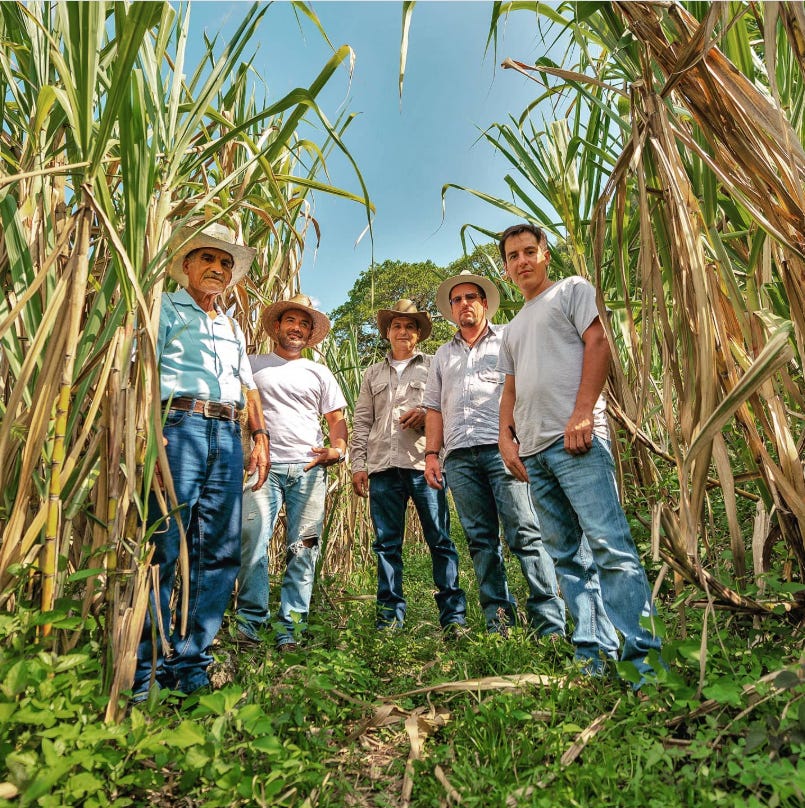
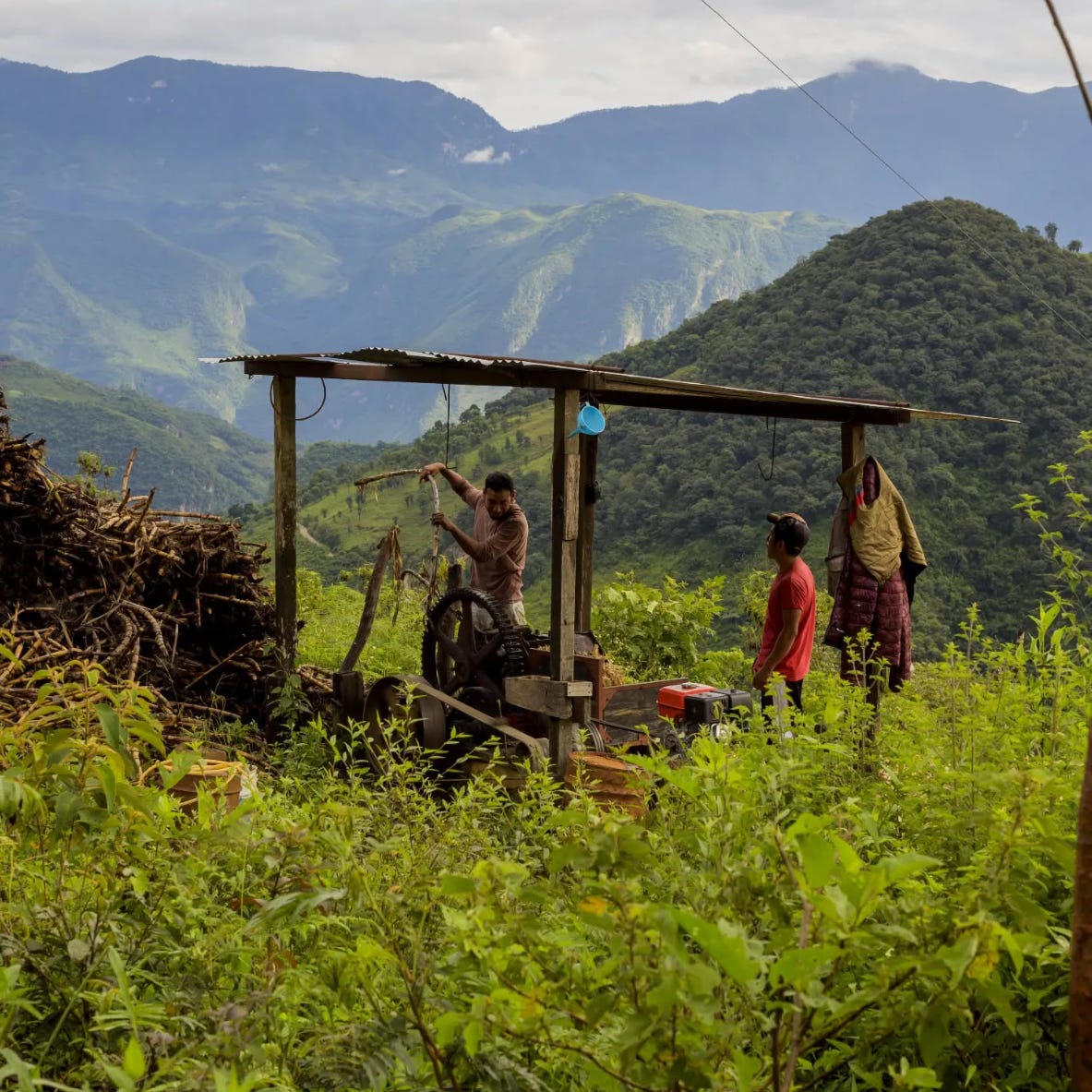
…far off the grid in the town of Santa Maria Tlalixtac, Oaxaca. There they plant, harvest, and distill 100% organic java sugarcane from altitudes as high as 4,000 feet above sea level.
The makers of Cañada practice traditionally organic agriculture, leading to healthy and robust cane plants while preserving the integrity of their farmland.
Far from typical, the Krassel family have engineered a variety of techniques and tools to make Cañada on the steep hillsides of Santa Maria Tlalixtac.
Highly recommend checking out the company’s website for a deep dive into their history, production methods, agriculture, and general ethos.
→ 100% sugarcane juice
→ 53.8% ABV
Like most cane juice rums, this rum has a beautiful, grassy aroma. And the taste is incredibly balanced. It’s excellent. A lot of Mexican rums come roaring at you (in the flavor department), which is a great thing, to be clear. Cañada, even at 53.8%, has a dual delicateness and robustness. Pounds of flavor that still pack complexity. This Krassel family expression is incredibly intentional. They have other juice, like the Cartier 30, which comes in at a whopping 70.3% ABV (monster punch), and is absolutely a joy. Every sip I’ve had of the Cañada, I think the same thing — “Oh, this is great.”
Unripe apple tastes linger on the tongue, with that core grassiness that comes from cane juice rums. But more than anything else, back to the sense of place, there’s a distinct smokiness that squares this as a Mexican beverage. I wonder if the Krassel family’s rum-making traditions are similar to those of Mexico’s Mezcaleros (Mezcal producers). The aroma and the taste have that distinctive agave-juice smoke (to me).
The back of the bottle is precisely for “rum nerds.”
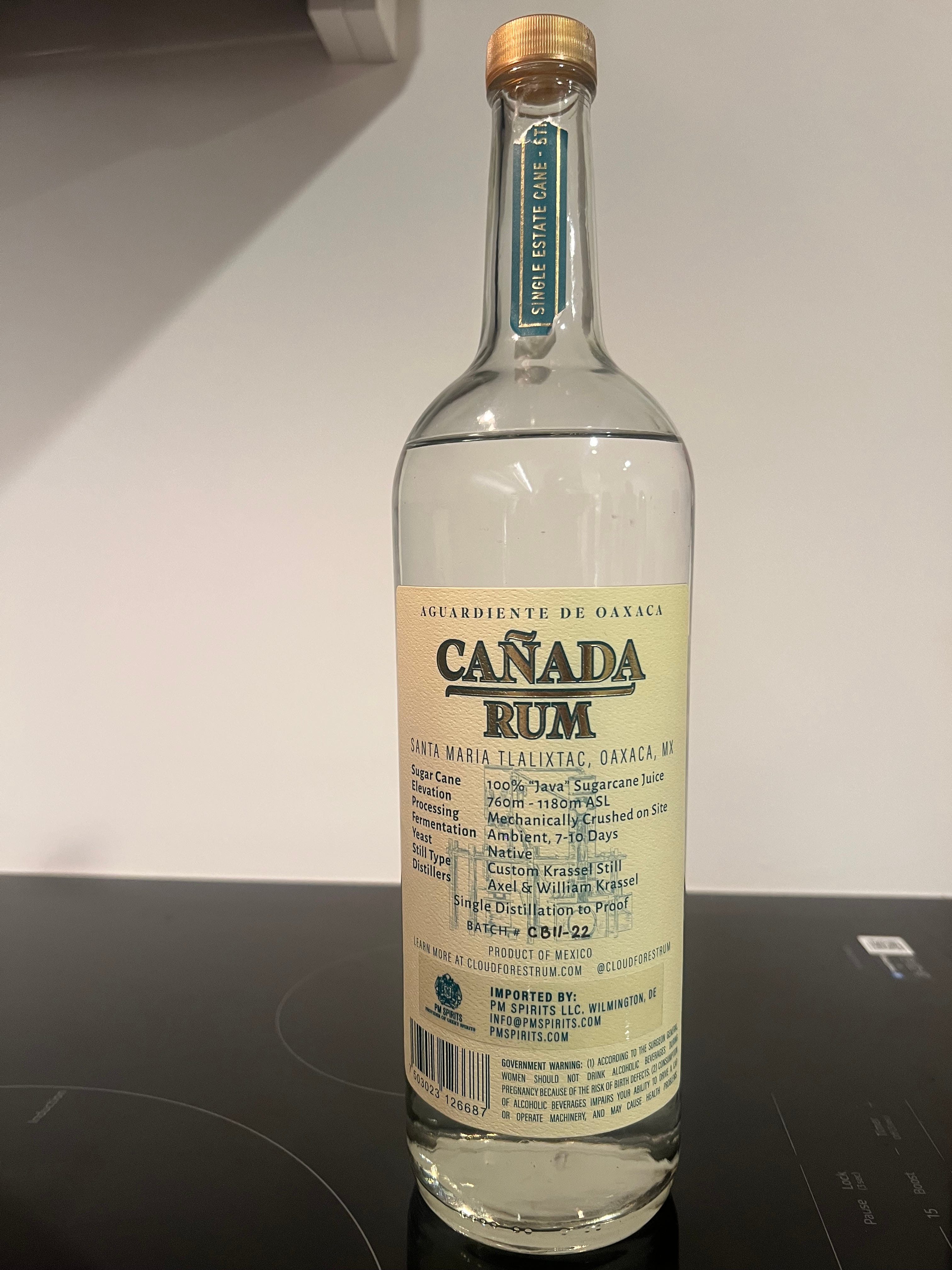
Type of cane: 100% Java
Elevation (how high up the sugarcane is cultivated): 760m — 1180m
Processing method: crushed mechanically on site (i.e., farm-to-table, or cane-to-glass)
Fermentation & yeast: 7-10 days (lengthy, let it cook) & wild yeast, native to the environment
Distillation equipment: the Krassel still, built by the head honcho patriarch way back when
Distillers: Axel & William Krassel
Batch: CB11-22
I know that when people think Mexico, they don’t often think rum. Understandable. But there’s a serious legacy of cane spirit production in the country. Note: most of the Americas were introduced to cane first by the Portuguese and Spanish. If a country was a former colony of either, you can make a good guess that the place has a sugarcane spirit history (to some extent).
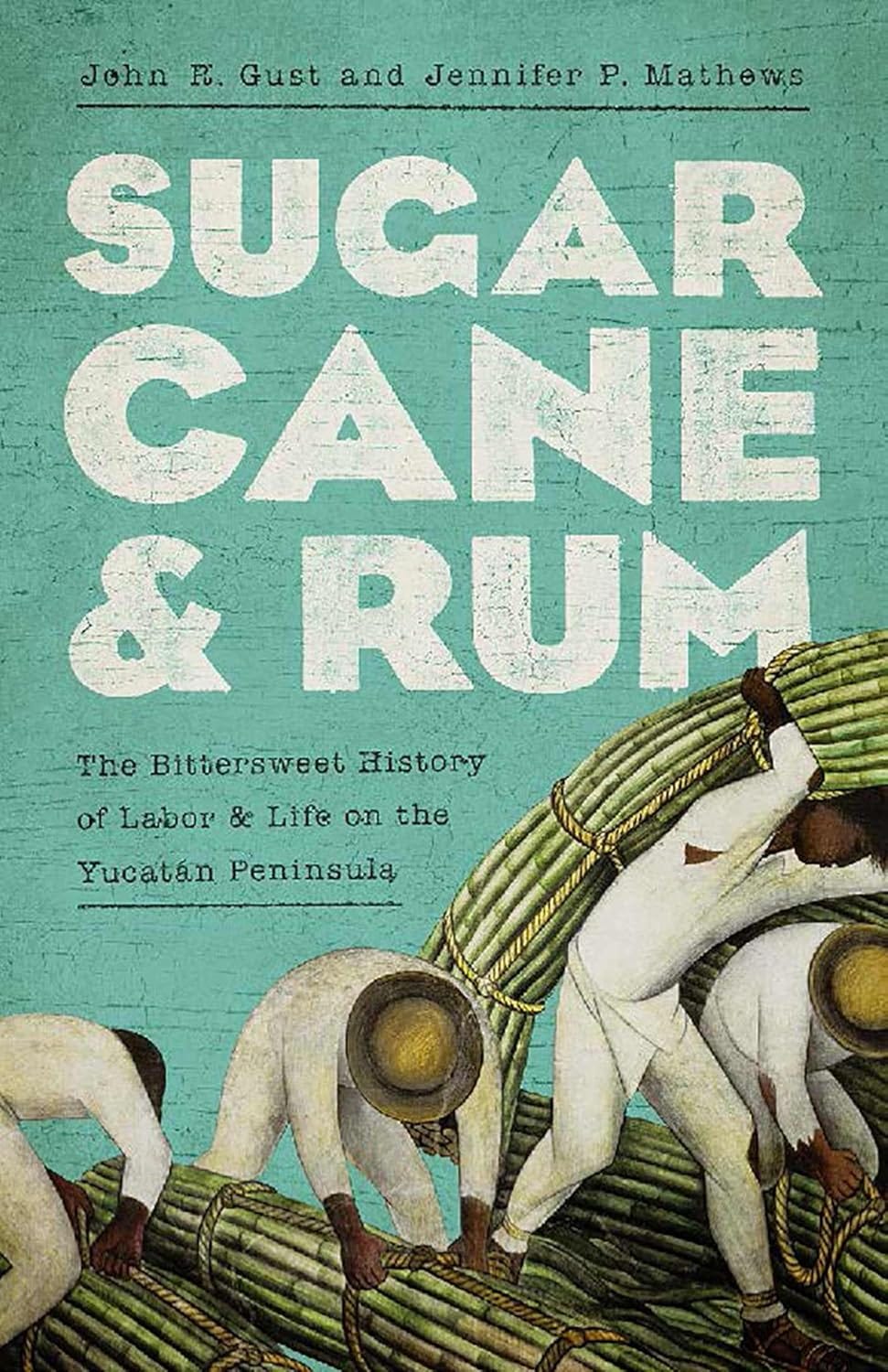
I recently purchased this book and am excited to explore the “Bittersweet History” of Mexico and rum —
Well done, Krassel clan. This rum from up in the clouds is a beauty.
Rumcast x Journey #1(s).
Speaking of “rum nerds,” there is a podcast collective called “The Rumcast.” And they have (what I imagine is) the most popular podcast/community on the beverage. John and Will love rum so much that they would not settle for just “talking to the people who shape it.” They also desired to have expressions that represented their years of drinking, loving, and creating a community for other rum lovers —
On January 27, 2025, we tasted our way through the warehouse at the legendary Main Rum Company with one goal: select a single cask that’s not only evocative of the rum’s origin, but also of Main Rum’s unique aging environment and cask management skills. Instead of one cask, we walked away with two. When you taste them, we don’t think you’ll hold it against us. — Rumcast Website
I am glad that they walked away with two. Let’s discuss them. Note: On the site, they do as true “rum nerds” would: tell you EVERYTHING about the beverage’s composition/journey/production/etc. Instead of regurgitating, I’ll copy and paste the details so that we can focus squarely on taste. They also walk you through the entire “Journey” via a couple of episodes. Jump in!
Cask #1: Guyana VSG
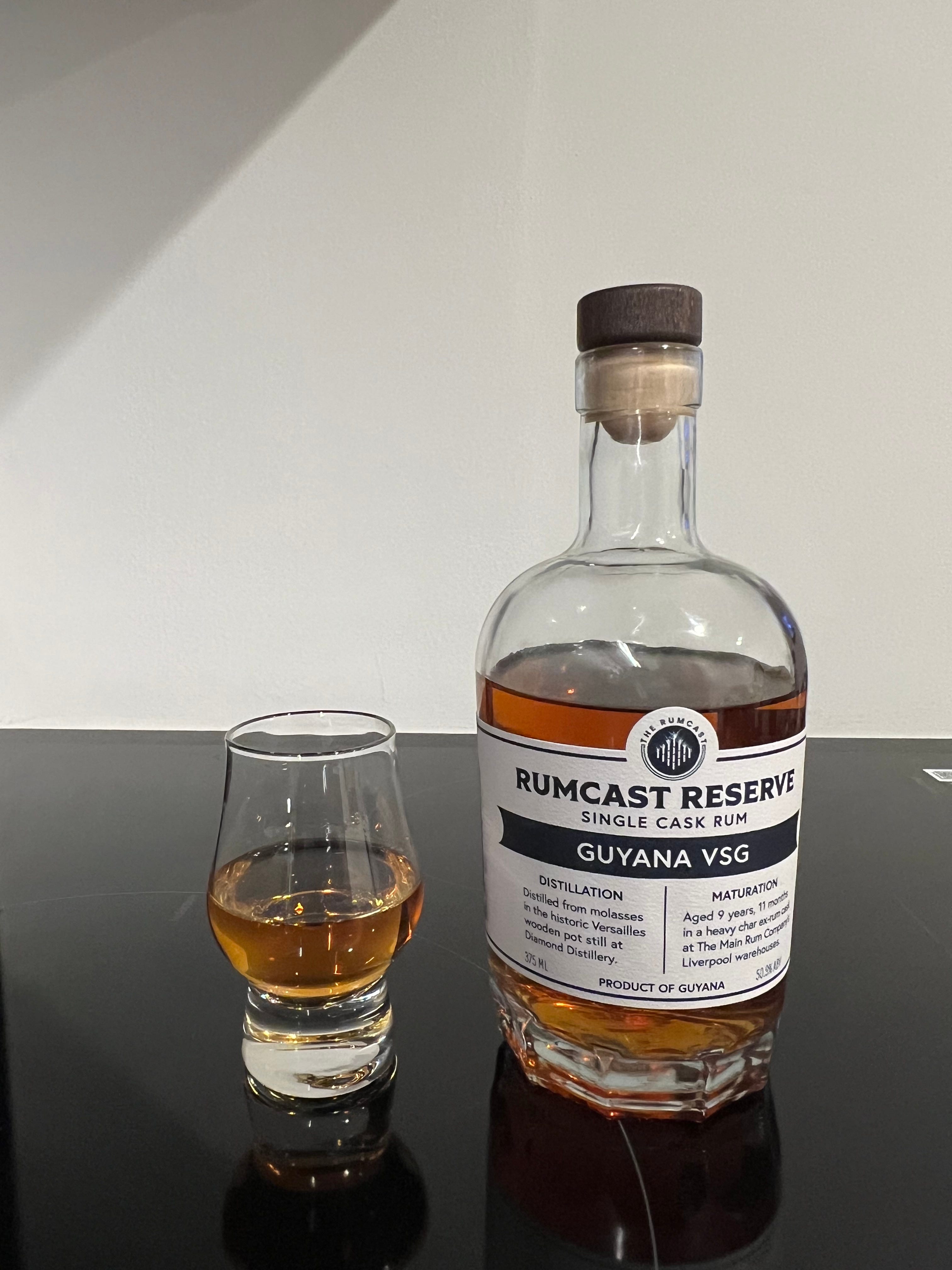
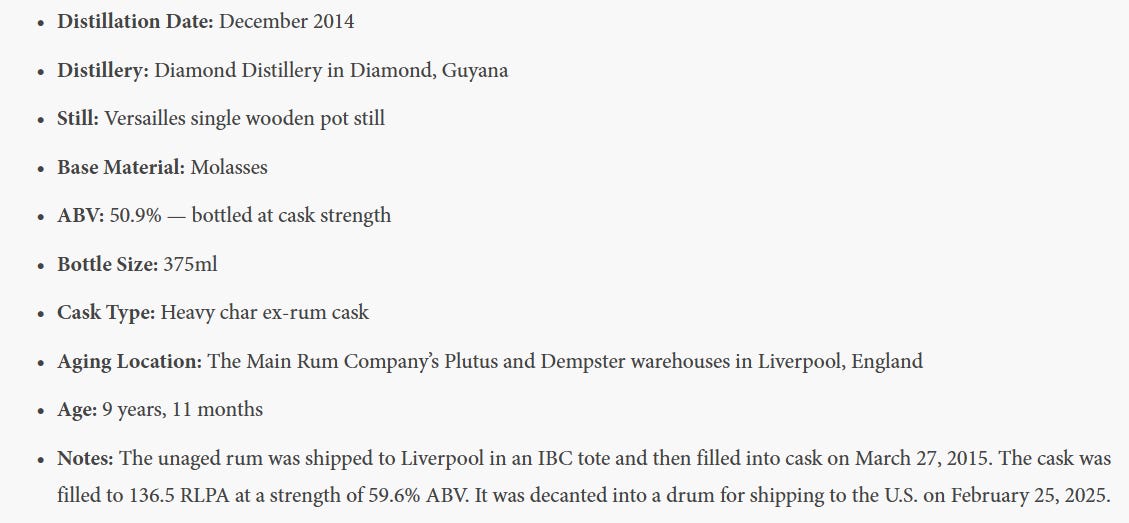
First off, them boys have been around the (rum) block, so I trusted that they would pick some good juice. Though the tropical-continental dynamic of the rum muddies the sense of place for me a bit, one quality that keeps it a bit sticky is the use of the “Versailles single wooden pot still.” Note: All Guyana rum comes from these folks. Those wooden pot-still Demeraras have a unique, almost molasses-infused, earthy taste. The heavy char ex-rum cask is new for me, but I love the marriage. LAY ON THE RUM THICK!
The aroma continues with a heavy smell of molasses, which I assume is helped along by the ex-rum cask (probably had molasses juice in it). Has a buttery popcorn and caramel note. The taste is cherry-vanilla reminiscent, and the finish is somewhat lengthy. The taste remains on the tongue long after you swallow the liquid. Good job with this pick, gents.
Cask #2: Mauritius MLM0
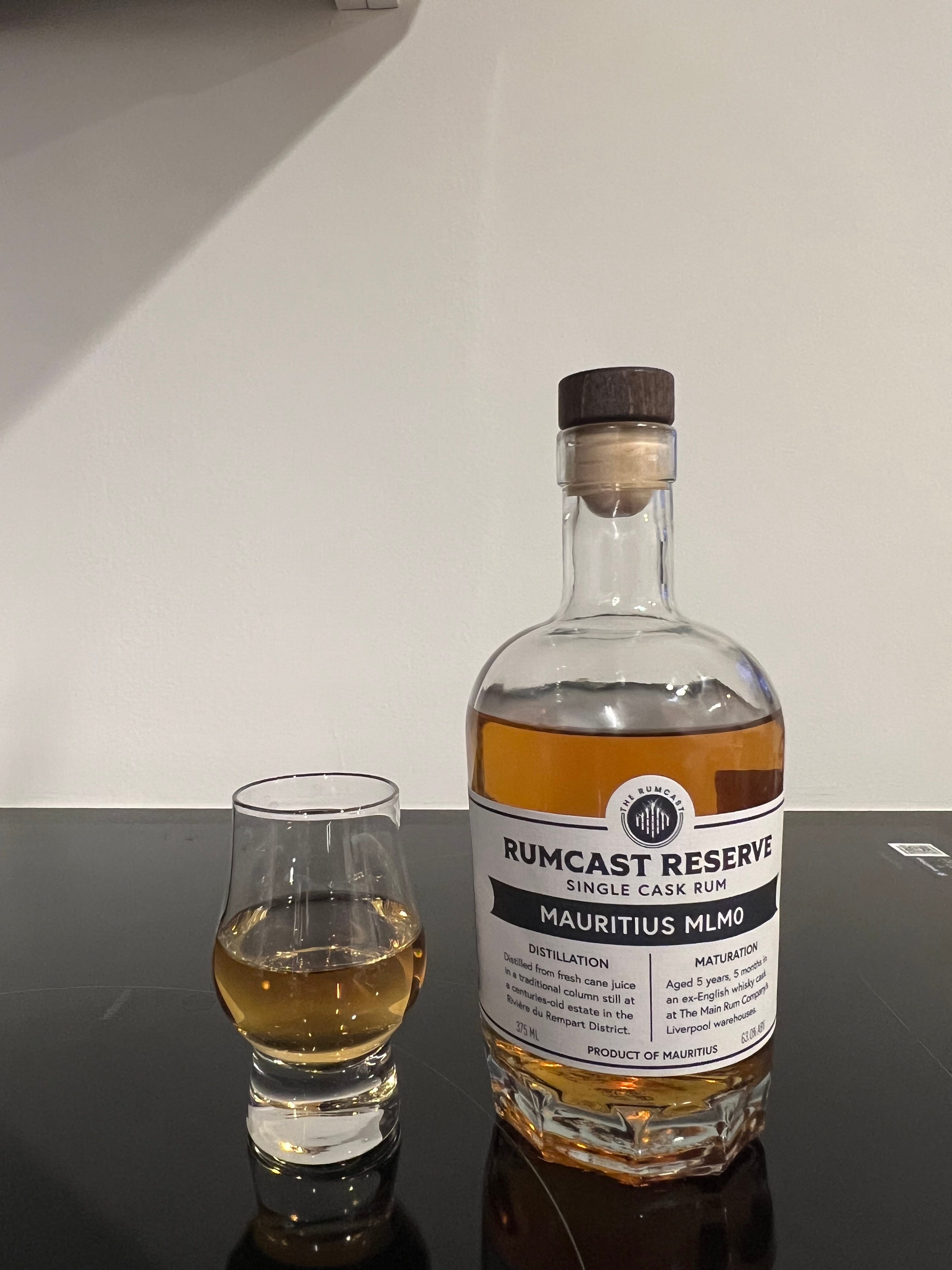
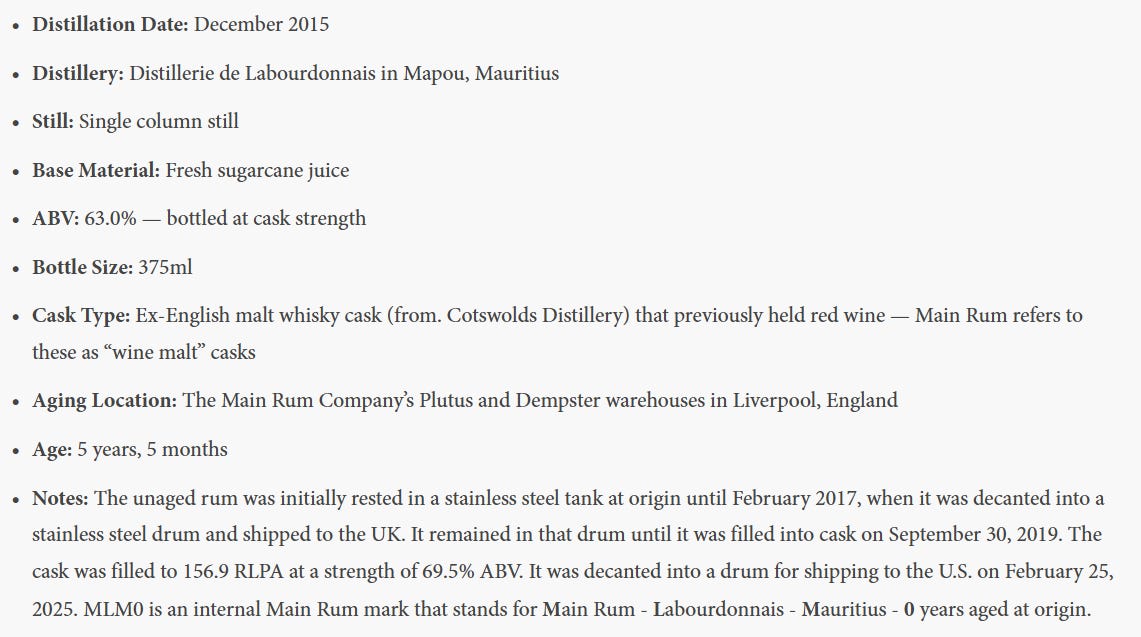
First off, Mauritius —
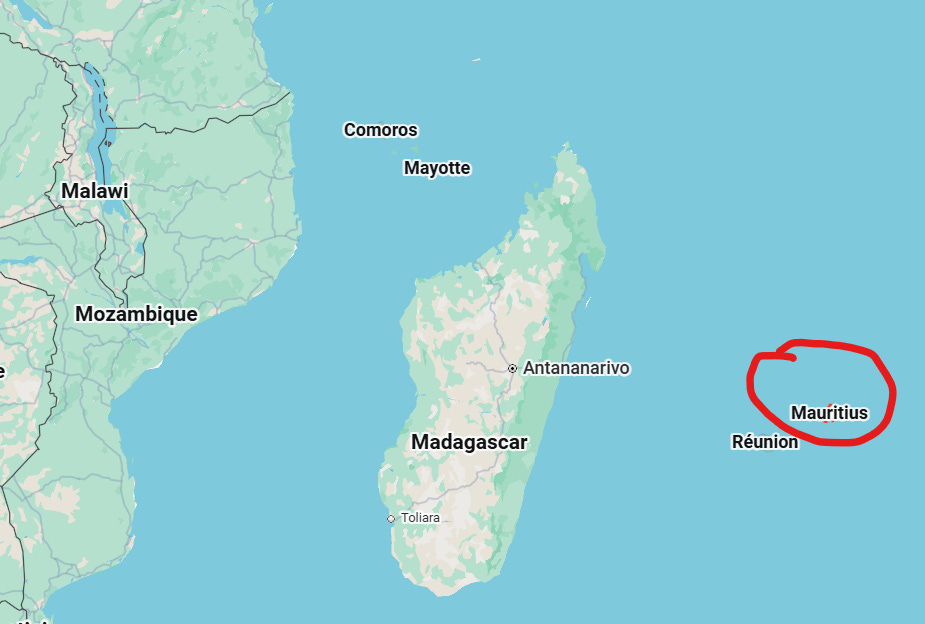
An Indian Ocean island off the southeastern coast of the African continent. The distillery that produced the liquid is Distillerie De Labourdonnais (can’t get their site to work, so I don’t want to link to a faulty URL). Been around since the late 18th century, though their rum production began in earnest in the early 2000s.
Now, I wanted to like Guyana more. I wanted to maintain my Caribbean solidarity. But this liquid is marvelous. Young cane juice, just slightly below what VSOPs are typically aged at (I’ll round up and give them the 6 years). For me, this taste is just incredibly new, which is why I think I’m drawn to it. Rum in “Ex-English malt whisky cask…that previously had red wine” is a medley of flavors that sing when they marry.
The aroma is light, delicate, and bright, what you would expect if a cane juice touches a malt whisky. The rum almost has a slight wine aroma, reminiscent of a Moscatel. It’s flowery. Just pleasant.
The flavors dance on the palate. Spicy. Peppery. Flowery. Nice mix of pepper and brightness. I need another bottle. Great job, even if the purist in me is saying screaming “BUT WHAT IS THE DISTILLATE SAYING, SCREW THE CASK!”
Let me know your thoughts if you get around to any of these rums.
Cheers and #rumresponsibly
