




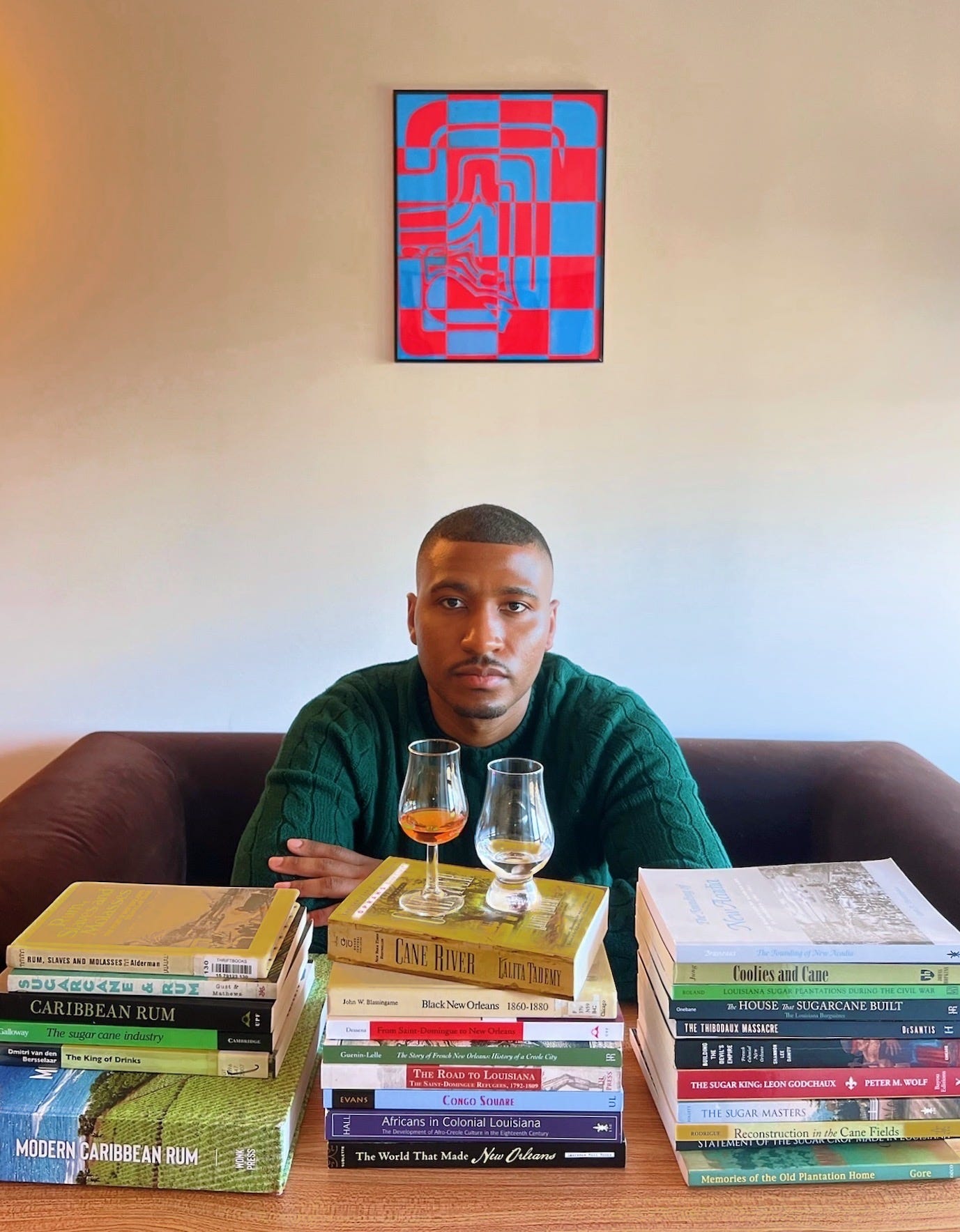
If I wrote about every book I read, I’d be writing just as much as I’m reading. Can’t have that! But it’s negligent to withhold info on books that some may want to explore. Here’s a peek into the archives.
Note: If I circle back with a long write-up on any of the books covered below…
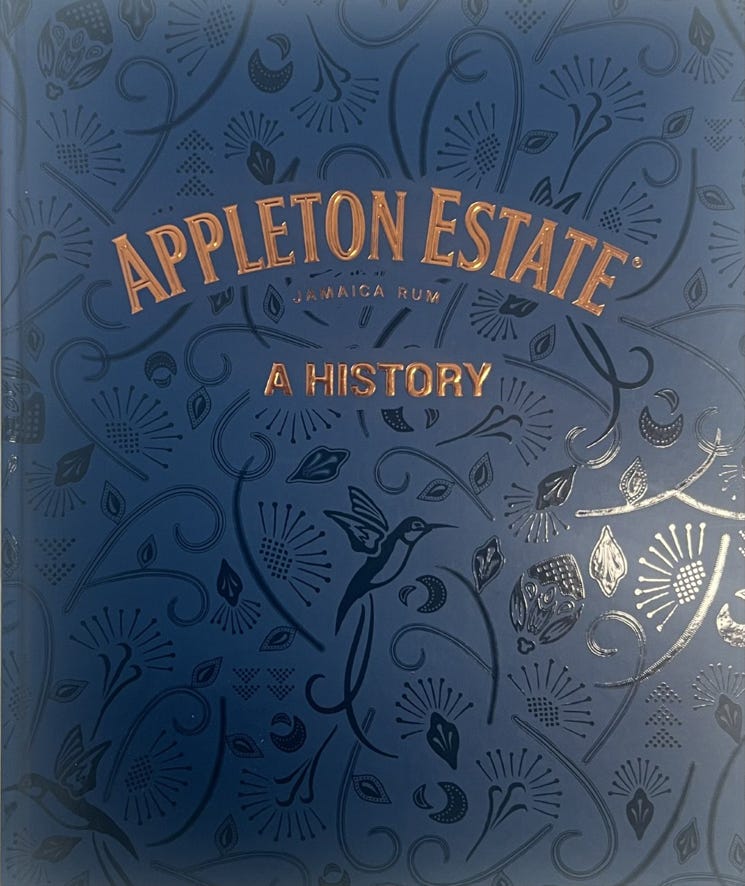
Appleton Estate Jamaica Rum: A History
From my understanding, you can only secure this (history/marketing) book from the Appleton distillery in Jamaica. Which I highly recommend you visit if you have the means and capacity, not least because I am biased to the rum brand’s location: both mother and father hail from different sides of St. Elizabeth parish, and I think quite highly of Jamaica’s breadbasket.
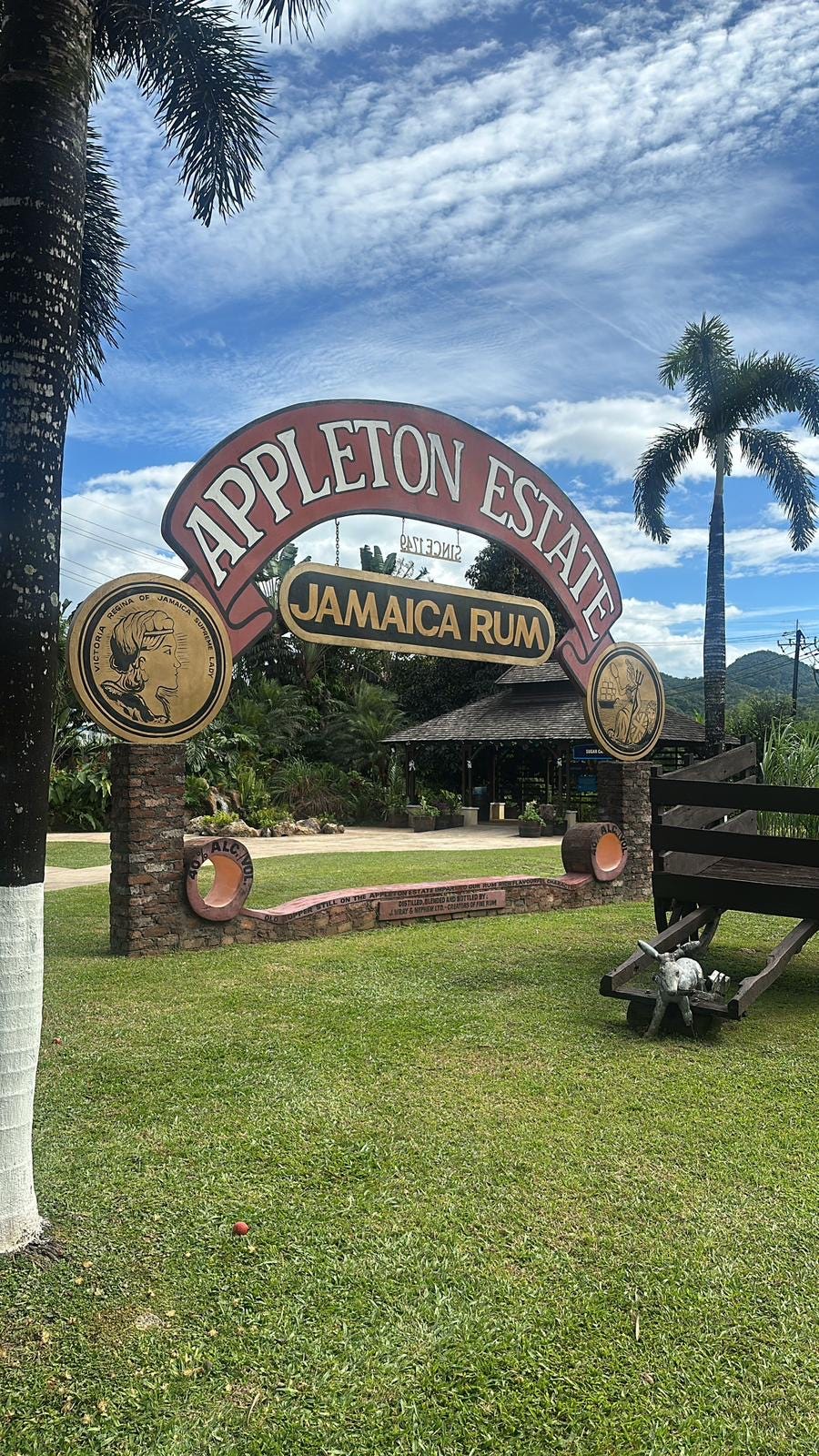
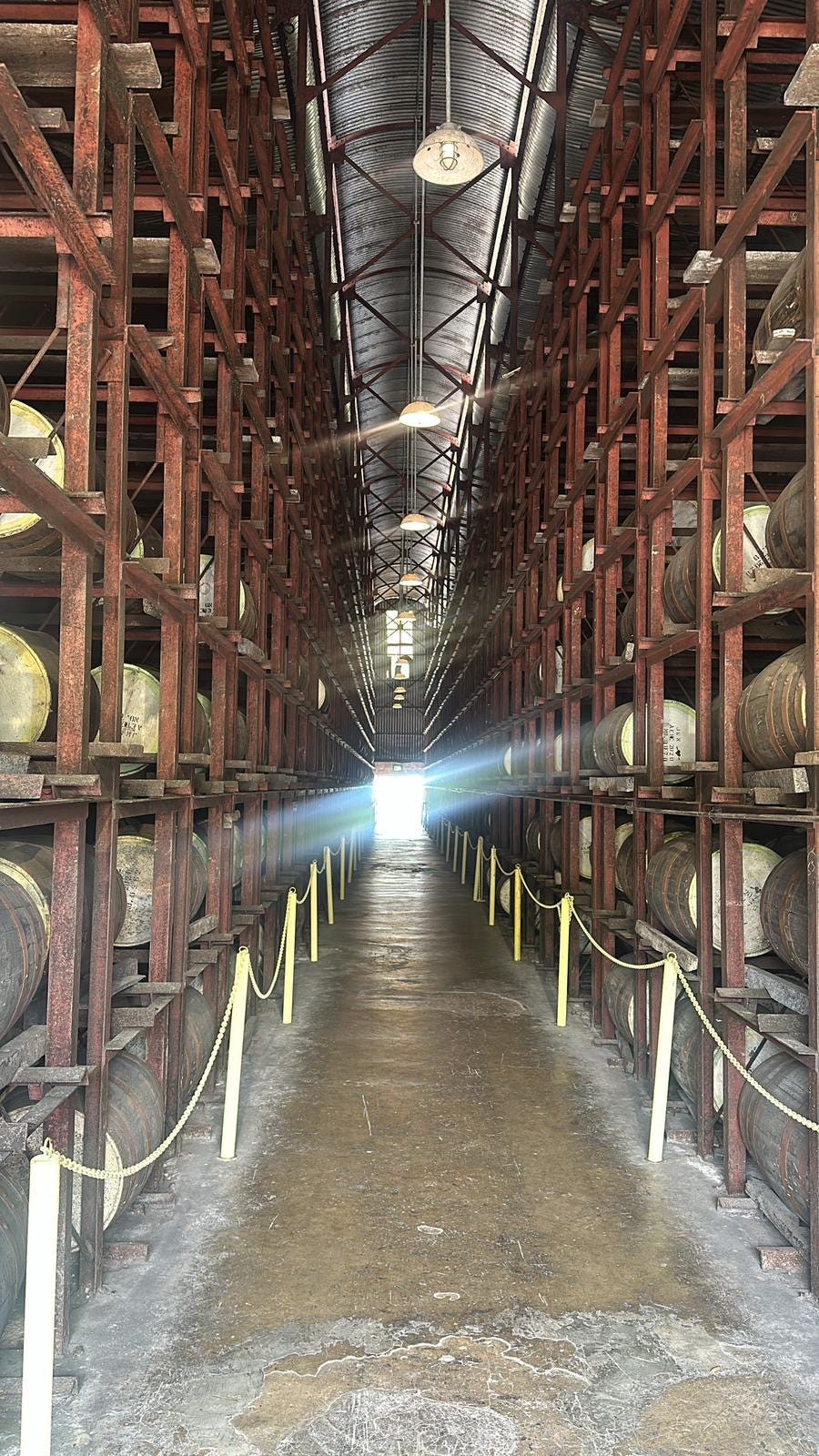
If you’re interested in getting a historical peek (soft landing) into the history of the most popular rum brand in Jamaica, this book provides a great start. Here’s a preview –
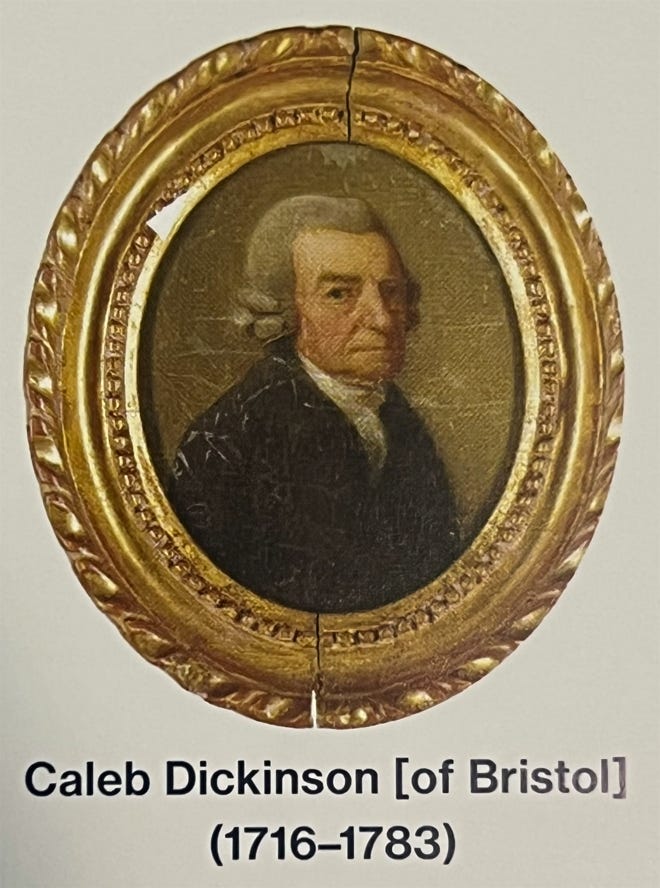
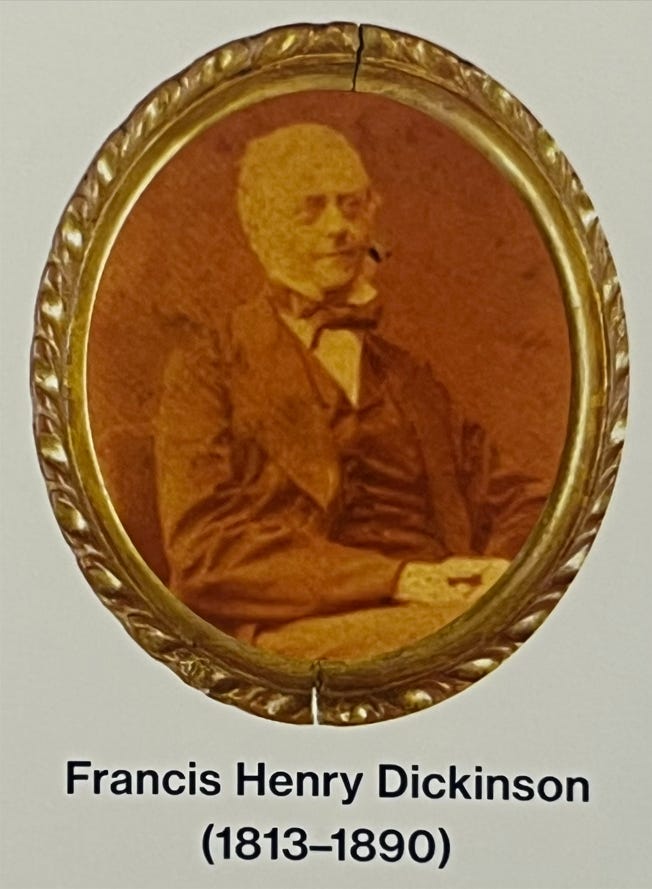
…the Appleton sugar plantation was not created until 1749 when the third generation of Dickinsons — Caleb and Ezekiel of Bristol (sons of Caleb of Monks) — combined five parcels of land in the Nassau Valley…What became known as Appleton Estate was finally established in 1774 and remained in the hands of the Dickinson family for another one hundred years! For all one hundred years, they were absentee owners, leaving the Estate to be managed by attorneys, a common practice among sugar estate proprietors in the eighteenth century. Jonathan migrated to Philadelphia in the U.S. and all members of his succeeding generation of absentee owners settled in Bristol, then a leading sugar port in the UK.
Statement Of The Sugar Crop Made In Louisiana
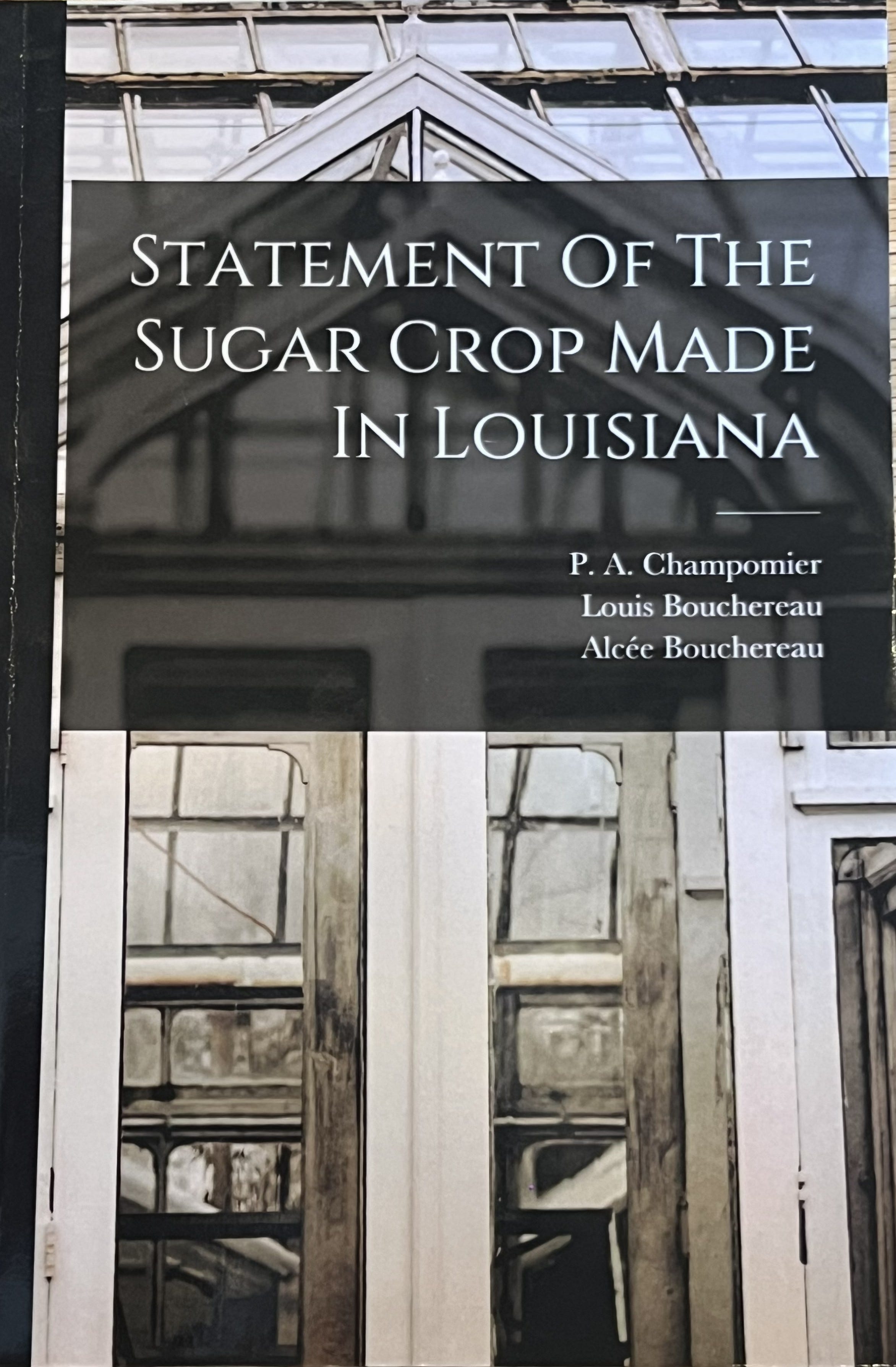
To provide you with some connective tissue between old and new (emphasis mine, one of the author’s names) –
When a combination of floods, drought, frosts, and a wider financial panic wiped away the hopes of many Louisiana sugar planters in 1873, Louis Bouchereau unequivocally advised planters to adopt the “share system,” which entailed “comparatively small” losses in poor season. He claimed that “White tenants” were the most productive…Bouchereau’s call for a rapid transition to white tenants failed to materialize, but his message resonated in Louisiana. — John C. Rodrigue, Reconstruction in the Cane Fields: From Slavery to Free Labor in Louisiana’s Sugar Parishes 1862—1880
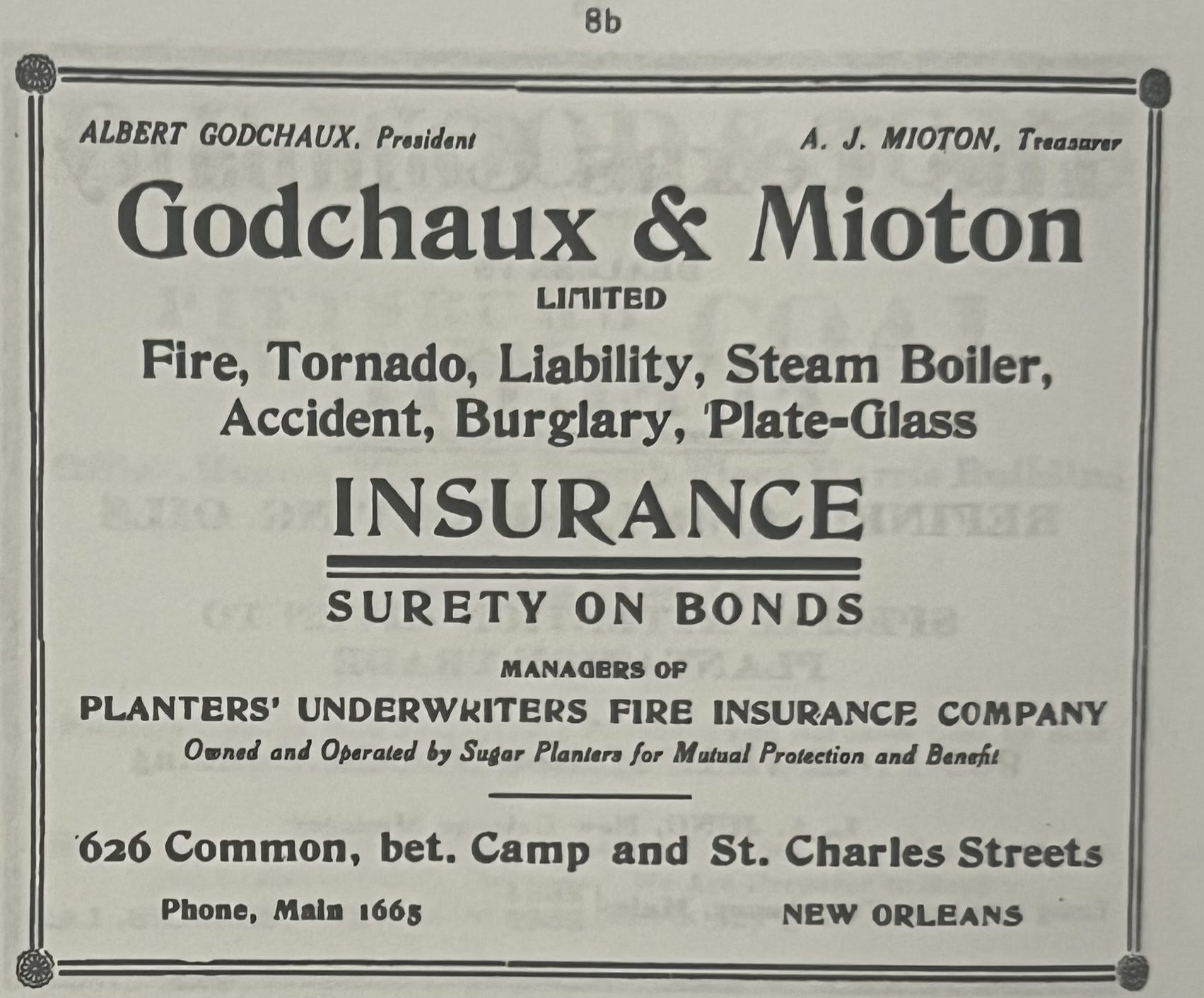
The copy I have is not an original. Instead, the book is an amalgamation of the authors’ work while they were alive (i.e., I believe they died around the mid-to-late 1800s). Regardless, flipping the pages takes you on a detailed journey through the imagery of the sugar industry players (and related companies) in and around southern Louisiana (late 1800s through the early 1900s). Credit for pulling this together goes to Legare Street Press & Creative Media Partners. Here’s a taste of what I’m referring to →
Raising Sugar Cane: Out of the Sugar Cane Fields of South Louisiana (a memoir)
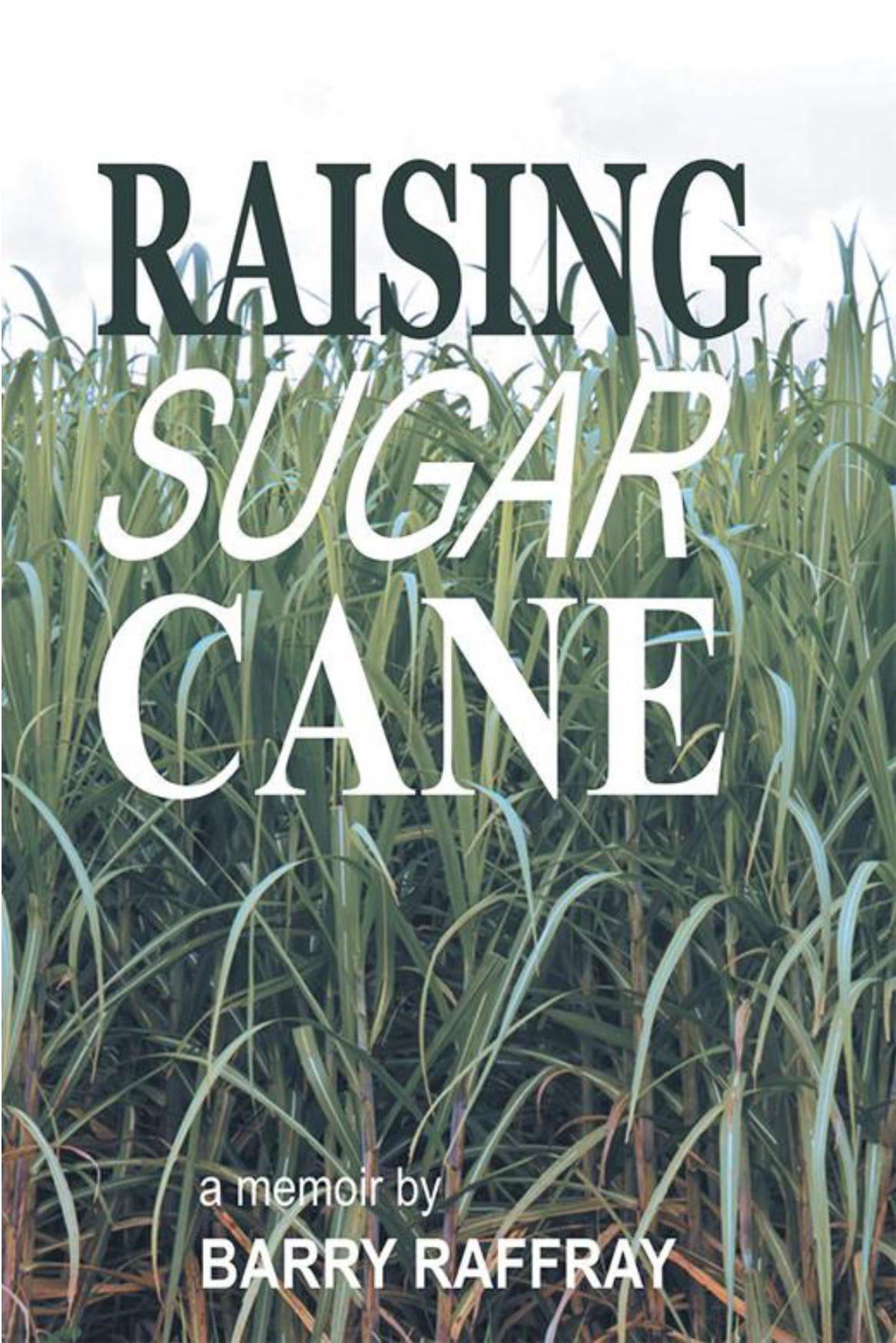
This book is about the life of a little boy born during WW II raised on a sugarcane plantation in Southern Louisiana. These were hard times for poor folks who had to work very hard to earn meager living wages to support their families. Although money was scarce, living and working on the land allowed you to grow and raise much of the food that the city people could not do.
Times were hard and folks were poor but most of us did not know we were poor because all of our friends and neighbors had the same things we had – nothing. You made the most with what you did have. It was a simple time when you could grow you own food and make your own toys to entertain yourself and friends. As a youngster, I had plenty fun times growing up on the plantation. This book is about some of those times as best as I can recall them.
This book was a valuable mistake: I allowed “Sugar Cane” in the title to draw me in. Truthfully, I would’ve enjoyed reading something else. But I don’t stop once I start, and I’m glad I didn’t. Grammar errors aside, the memoir was a good way to break up my very dense reading with something plain & ordinary. I did enjoy the bits on planting and harvesting cane, among other random ventures.
The author’s background is a mashup of colonial Louisiana: his mother’s side hails from Spain, and she grew up speaking Spanish, while his father’s side is Cajun. The culture with the most potency wins here, as the author identifies as Cajun. Raffray also confirmed for me what Brasseaux posited regarding race relations (Cajuns x Blacks) in the mid-1900s: “That blacks were inferior was universally accepted…”
Raffray on his inherited discrimination –
I (we) made sling shots too. Although I did not know them as sling shots at the time I made them. I was about seventeen years old before I knew the nigger shooters were actually sling shots. The derogatory name was all we knew to call them because we just did not know any better. It was a normal thing for us to refer to them as nigger shooters because this is the only way that this item was referred to. I actually do not know what the black folks on the plantation called them. Honky shooter sound like it could be a good name for them to refer to this item as.
Just remember,
in all that you do, please, don’t ever stop reading.
